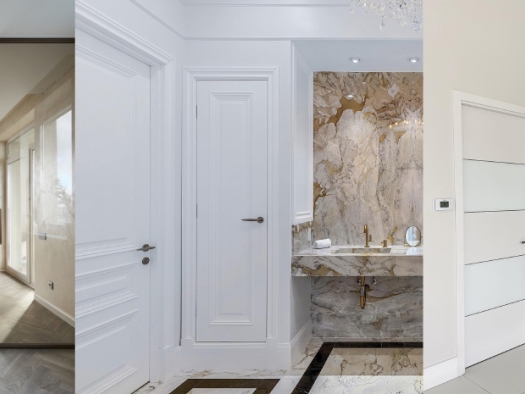

- How to Match Interior Doors with Wall Colors and Flooring for a Cohesive Design
- Why Color Coordination Matters in Interior Design
- Matching Interior Doors with Wall Colors
- How Flooring Influences Door Selection
- Coordinating Doors with Both Walls and Floors
- Popular Color Combinations in Modern Homes
- Choosing Door Finishes and Textures
- Common Mistakes to Avoid When Matching Doors
- How Lighting Affects Color Perception
- Conclusion How to Match Interior Doors with Wall Color and Flooring
How to Match Interior Doors with Wall Colors and Flooring for a Cohesive Design
Matching interior doors with wall color and flooring is one of the most important yet often underestimated aspects of home design. Doors act as visual connectors between different surfaces, and when chosen correctly, they bring harmony to the entire interior. When done poorly, they can break the flow and make spaces feel disjointed.
In modern homes, where design cohesion is essential, selecting the right combination of interior door color, wall tones, and flooring finishes becomes a strategic decision rather than a decorative afterthought.
Why Color Coordination Matters in Interior Design
Color coordination is the foundation of a well-designed interior. Walls, floors, and doors occupy large visual areas, so their relationship directly affects how a space is perceived. When these elements are aligned, the result is a balanced and cohesive environment.
Interior doors can either blend seamlessly into the background or stand out as a design feature. Both approaches are valid, but they must be intentional. A mismatch in tones or finishes can disrupt the visual harmony and make even a high-end interior feel unfinished.
Another key factor is consistency. Maintaining a unified palette across rooms helps create a smooth transition from one space to another. This is especially important in open-concept layouts where multiple areas are visible at once.
“A well-matched door does not draw attention to itself — it enhances everything around it.”
Thoughtful color coordination elevates both the aesthetics and perceived quality of a home.
Matching Interior Doors with Wall Colors
Choosing how interior doors relate to wall color is one of the first design decisions to make. There are several effective approaches depending on the desired outcome.
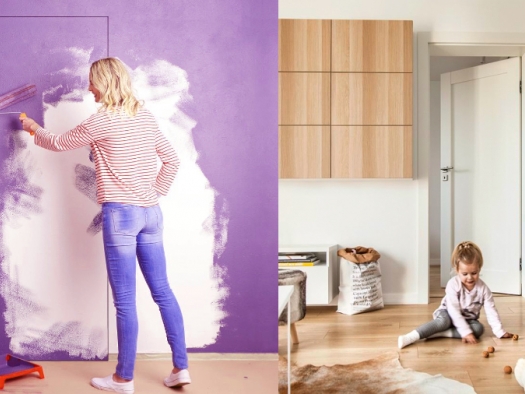
One option is to match the door color closely with the walls. This creates a seamless and minimalist look, making the door almost invisible. This approach works well in modern interiors where simplicity and clean lines are priorities.
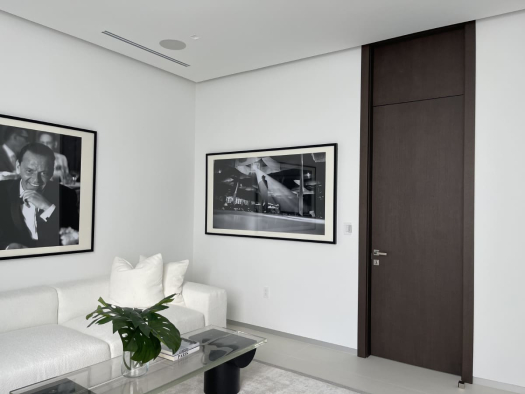
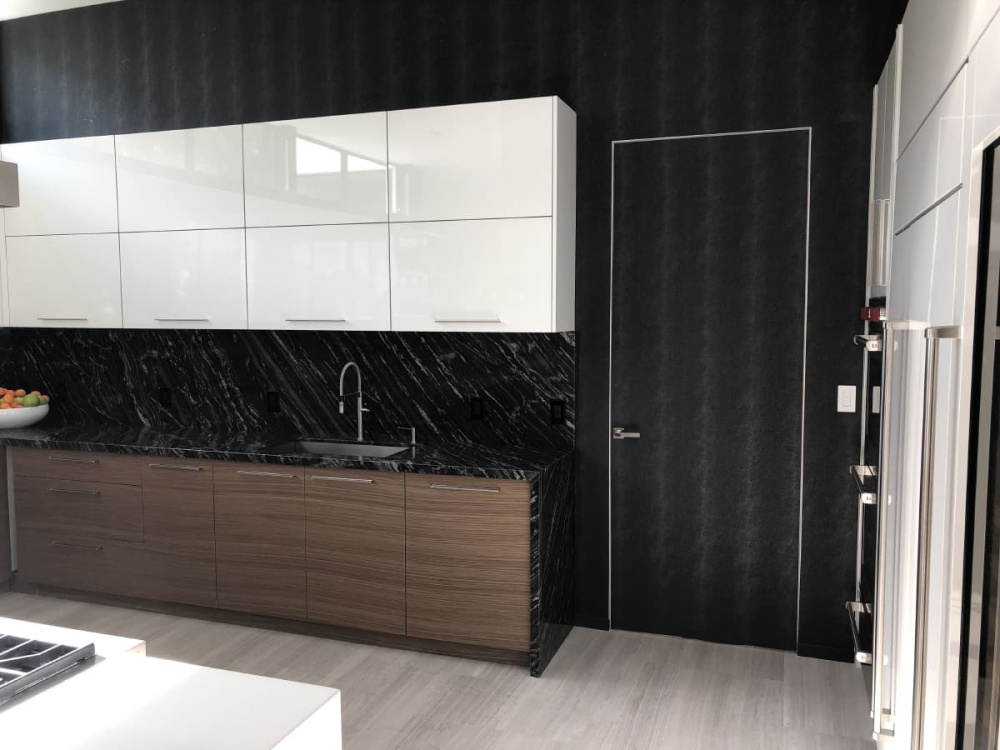
Another approach is contrast. Dark doors against light walls or vice versa create a bold visual statement. This technique can highlight architectural features and add depth to the space.
Common strategies for matching doors with walls include:
- using identical or similar tones for a seamless effect
- creating contrast for visual interest
- choosing neutral colors for flexibility
- aligning undertones to avoid clashes
Each method can work effectively when applied consistently throughout the home.


How Flooring Influences Door Selection
Flooring plays a major role in determining the right door finish. Since floors and doors are often viewed together, their relationship must feel natural and balanced.
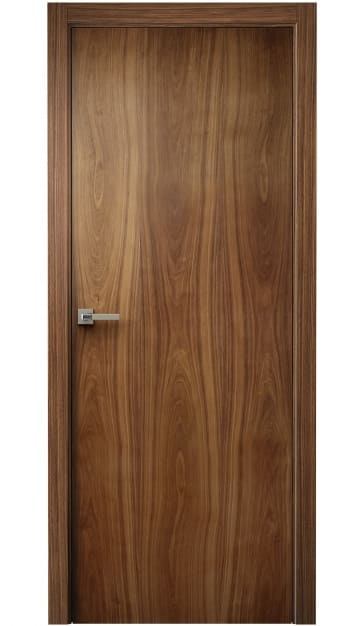
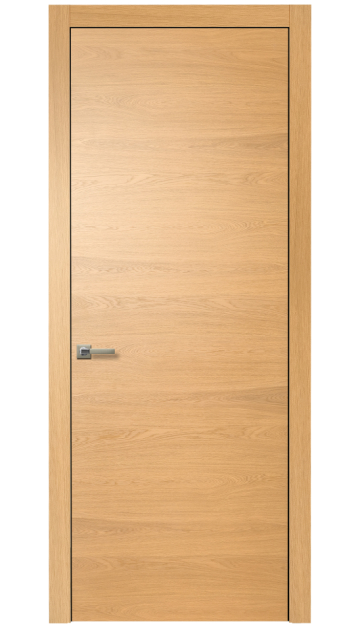
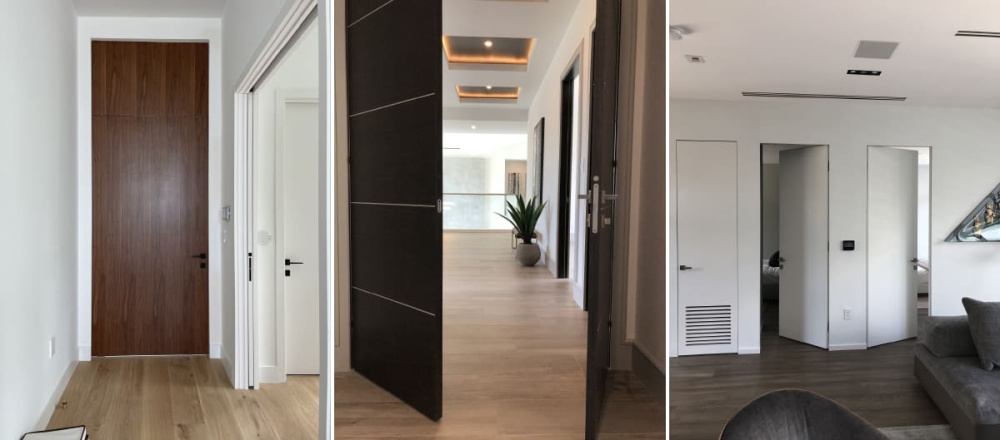
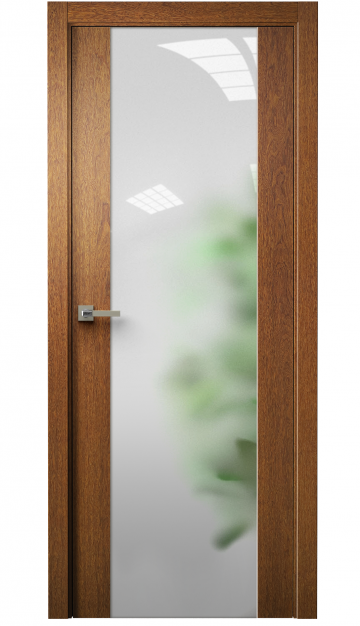
Wood flooring is one of the most common scenarios. In this case, doors can either match the wood tone or complement it with a slightly different shade. Exact matching is not always necessary and can sometimes feel overly uniform.
For tile or stone flooring, neutral door colors often work best. These materials usually have varied textures and tones, so a simple door finish helps maintain balance.
Key considerations when matching doors with flooring:
- match or complement wood tones rather than duplicate exactly
- consider warm vs cool undertones
- avoid strong clashes between finishes
- use neutral doors when flooring is complex
These principles help create a cohesive and visually pleasing interior.
Coordinating Doors with Both Walls and Floors
The real challenge is not just matching doors with walls or floors individually, but ensuring all three elements work together. This requires a balanced approach that considers the overall palette.
A good strategy is to choose one dominant element and let the others support it. For example, if the flooring is a strong visual feature, the doors and walls should complement rather than compete with it.
Neutral tones are often the safest choice because they adapt well to different combinations. White, beige, gray, and natural wood finishes are commonly used in modern interiors for this reason.
“The goal is not to match everything perfectly, but to create a visual relationship that feels intentional.”
Achieving this balance results in a more refined and harmonious space.
Popular Color Combinations in Modern Homes
Modern interiors often rely on proven color combinations that create a clean and stylish look. These combinations are widely used because they work across different styles and layouts.
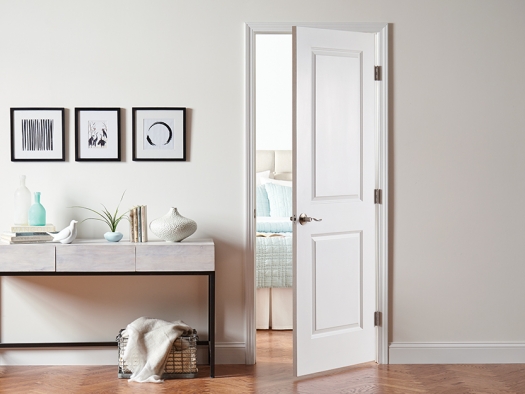
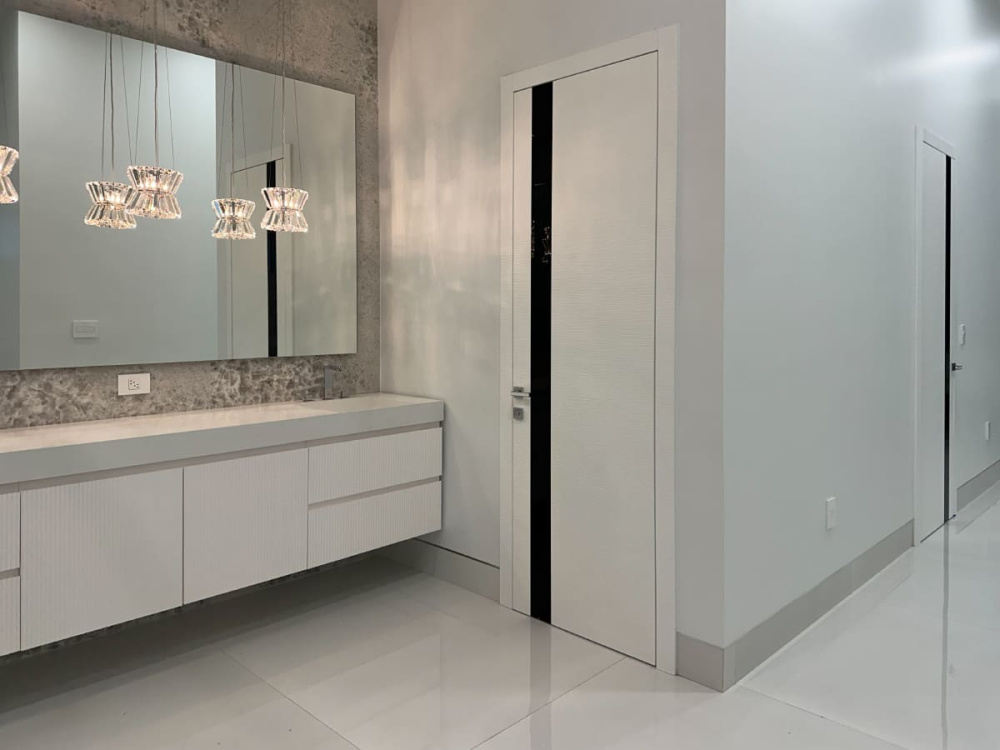
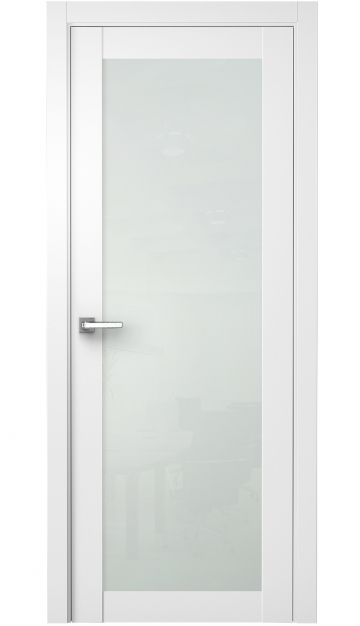
Light walls paired with white or off-white doors create a bright and airy feel. This is one of the most popular choices in contemporary homes. Dark flooring combined with lighter doors provides contrast without overwhelming the space.
Some widely used combinations include:
- white doors with light gray or beige walls
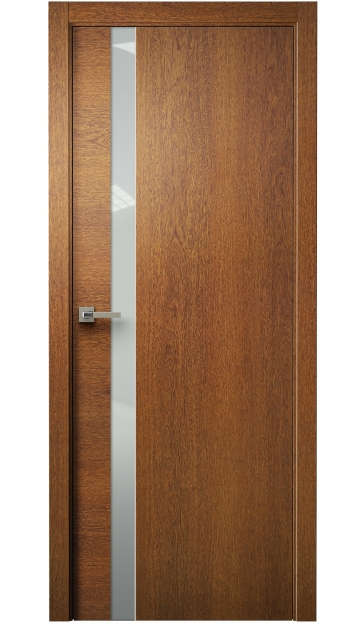
- natural wood doors with neutral walls
- black or dark doors with white walls for contrast
- gray doors with warm wood flooring
These combinations offer a balance between modern aesthetics and practical design.
Choosing Door Finishes and Textures
Beyond color, the finish and texture of interior doors also play a significant role. Matte finishes are commonly used in modern interiors because they create a soft and understated look.
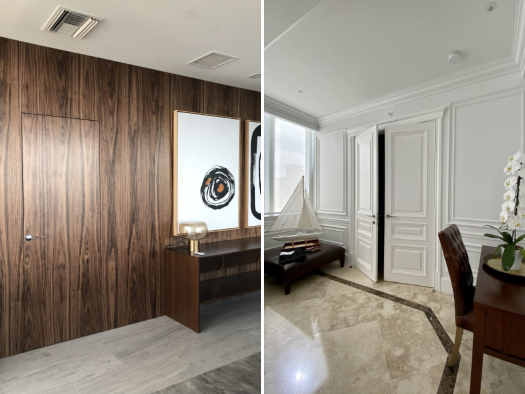
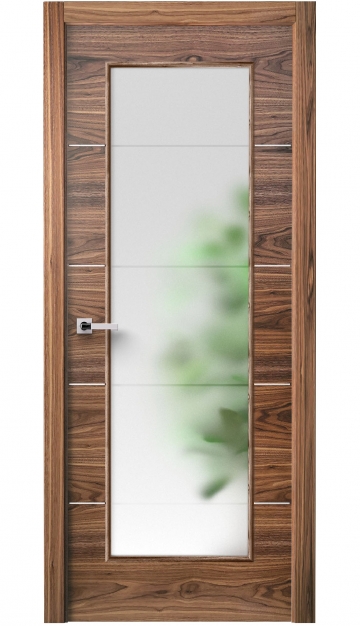
Glossy finishes, while less common, can add a more dramatic and polished appearance. Wood textures bring warmth and natural character, making them ideal for creating a welcoming atmosphere.
The choice of finish should align with both wall paint and flooring texture. For example, a matte door works well with matte walls, while a textured wood door pairs nicely with natural flooring.
Important factors when choosing finishes include:
- consistency with surrounding surfaces
- reflection of light in the space
- durability and maintenance
- compatibility with overall design style
These details contribute to a cohesive and high-quality interior.
Common Mistakes to Avoid When Matching Doors
Even with the best intentions, certain mistakes can disrupt the harmony between doors, walls, and flooring. Being aware of these issues helps avoid costly design errors.
One common mistake is ignoring undertones. Mixing warm and cool tones without consideration can create a subtle but noticeable clash. Another issue is trying to match everything exactly, which can result in a flat and uninspiring design.
Other mistakes include:
- using too many contrasting colors
- neglecting lighting conditions
- choosing finishes that do not align with the style
- ignoring transitions between rooms
“Small inconsistencies in color can have a big impact on the overall feel of a space.”
Avoiding these pitfalls ensures a more polished and professional result.
How Lighting Affects Color Perception
Lighting plays a crucial role in how colors are perceived. Natural light, artificial lighting, and even the direction of windows can change how doors, walls, and floors look throughout the day.
A color that looks perfect in a showroom may appear different in a home environment. This is why it is important to test samples under actual lighting conditions before making a final decision.
Warm lighting can enhance warm tones, while cool lighting can make colors appear more muted or bluish. Understanding this interaction helps prevent unexpected results.
Testing combinations in real conditions ensures that the chosen palette works consistently in all situations.
Conclusion How to Match Interior Doors with Wall Color and Flooring
Matching interior doors with wall color and flooring is a key element of creating a cohesive and visually appealing home. It requires a balance between color, texture, and overall design intent.
By considering undertones, choosing complementary finishes, and maintaining consistency across spaces, homeowners can achieve a harmonious interior that feels both modern and timeless.
Interior doors are not just functional elements — they are a critical part of the design system that connects every surface within a home.