
- Why door selection matters in open concept homes
- Characteristics of doors that work well in open layouts
- Flush doors and minimalist designs
- Glass doors for maintaining openness
- Sliding doors for flexible room separation
- French doors in transitional open concept homes
- Comparing door styles for open floor plans
- Interesting facts about doors in open concept homes
- Pocket doors for seamless integration
- Color and finish considerations
- Balancing privacy and openness
Why door selection matters in open concept homes
Open concept homes have become one of the most popular residential design trends because they create spacious, bright, and highly functional living environments. By reducing unnecessary walls and visual barriers, these layouts encourage better interaction between living areas while maximizing natural light throughout the home.
Even in homes with open floor plans, interior doors remain important design elements. Bedrooms, home offices, bathrooms, laundry rooms, and guest suites still require privacy and separation from shared spaces. The challenge is choosing doors that provide functionality without disrupting the openness that makes these layouts attractive.
The best interior doors for open concept homes blend seamlessly with surrounding architecture while supporting the overall flow of the space. Their design, material, color, and operation all influence how connected or divided individual areas feel.
Characteristics of doors that work well in open layouts
Open concept interiors typically emphasize simplicity, continuity, and visual balance. Interior doors should support these goals rather than compete with them through excessive ornamentation or heavy detailing.
Clean lines, consistent finishes, and carefully selected proportions help maintain the spacious appearance that homeowners expect from open floor plans. Doors that visually integrate with surrounding walls often contribute to a more cohesive design.
Functionality is equally important. In many open concept homes, doors are visible from multiple viewpoints, making both their appearance and operation more noticeable than in traditional floor plans.
"The most successful open concept interiors create separation only where it improves functionality without interrupting visual flow."
This principle guides many architects and interior designers when selecting doors for modern living spaces.
Flush doors and minimalist designs
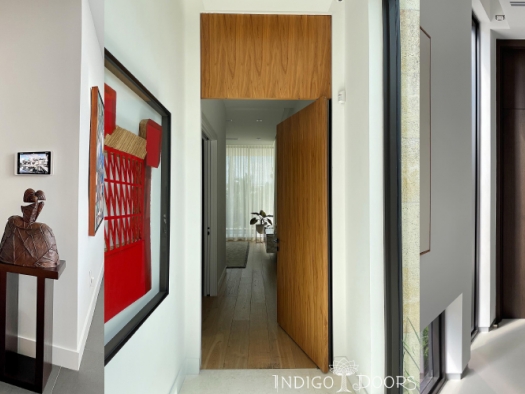
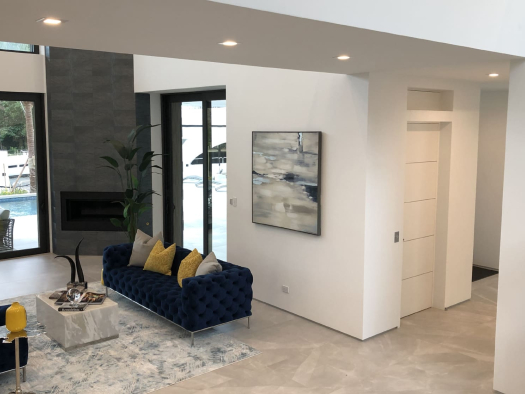
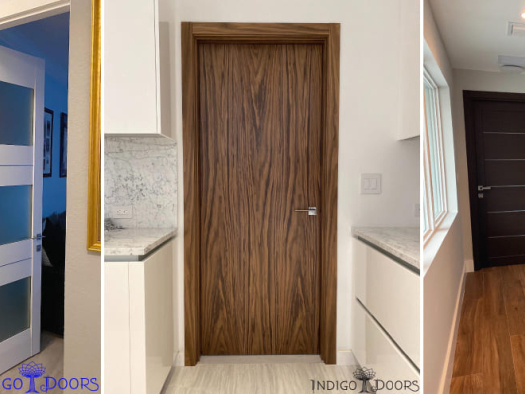
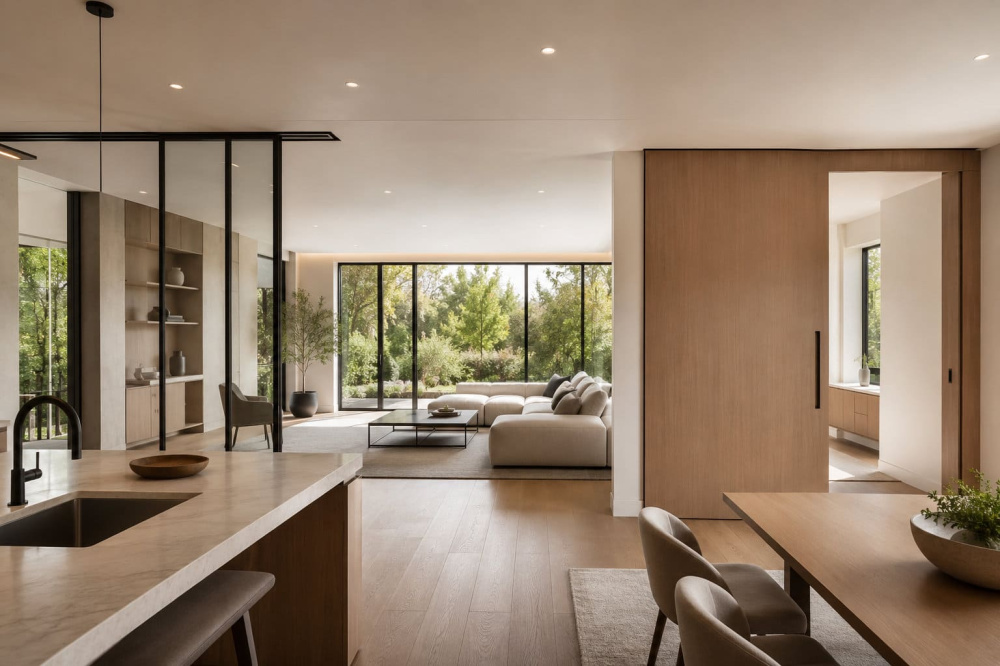
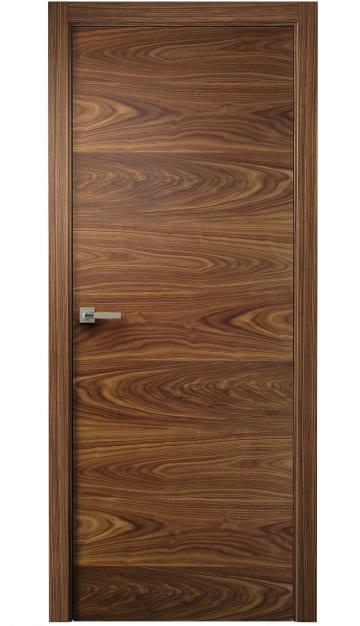
Flush doors are among the most popular options for open concept homes. Their smooth surfaces and clean profiles create a streamlined appearance that aligns perfectly with contemporary design principles.
Unlike heavily detailed panel doors, flush doors minimize visual interruptions and help maintain continuity between rooms. They can be finished in painted surfaces, wood veneers, or specialty laminates depending on the desired aesthetic.
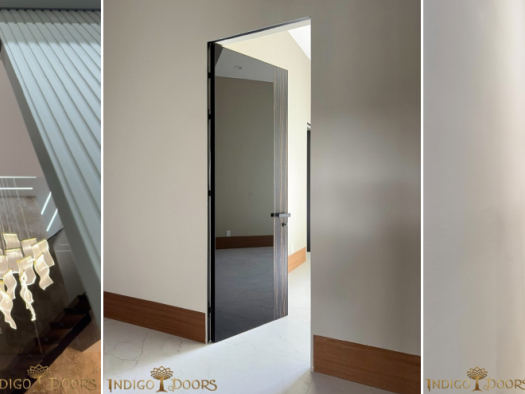
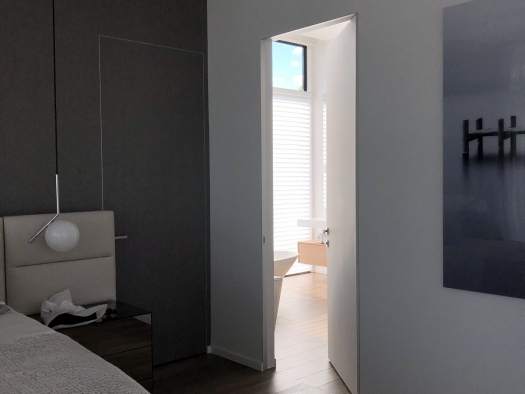
Minimalist door systems often incorporate concealed hinges and hidden frames. These features reduce visual clutter while allowing the door to integrate more naturally into surrounding architecture.
For homeowners seeking a modern and sophisticated appearance, flush doors frequently represent one of the most effective solutions.
Glass doors for maintaining openness
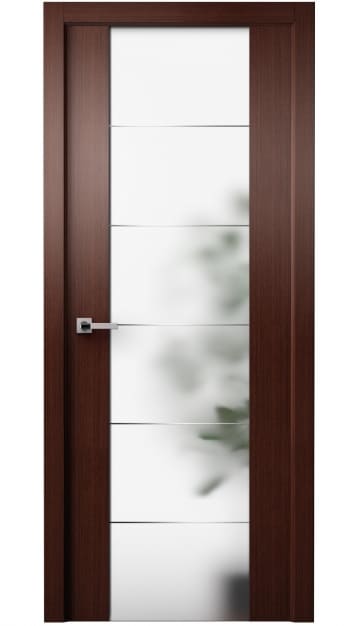
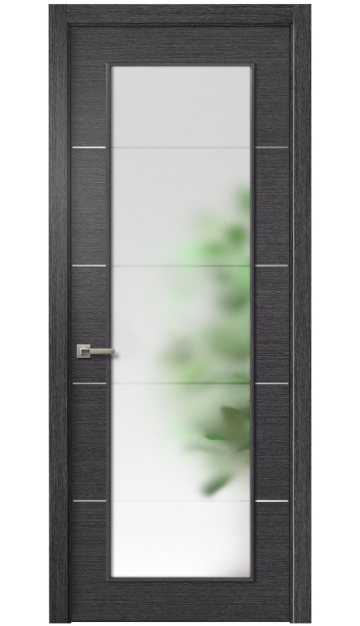
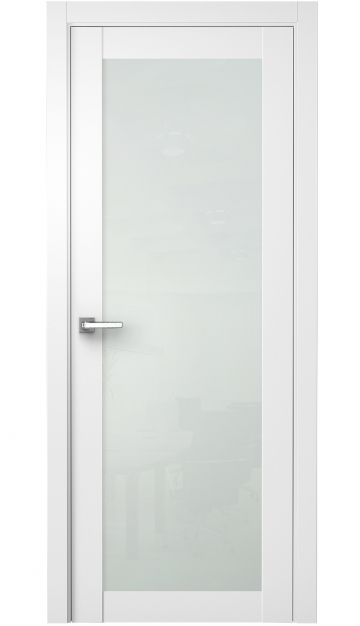
Glass interior doors are particularly effective in open concept homes because they preserve visual connections between spaces while still providing physical separation when needed. This balance is especially valuable for home offices, dining rooms, libraries, and flexible-use spaces.
Natural light remains one of the defining features of open floor plans. Glass doors allow daylight to travel deeper into the home, helping interiors feel brighter and more inviting throughout the day.
Various glass options allow homeowners to customize privacy levels. Clear glass maximizes openness, while frosted or textured glass provides greater privacy without sacrificing light transmission.

Benefits of glass doors in open concept spaces
- Enhanced Natural light distribution;
- Improved Visual connectivity between rooms;
- Contemporary And elegant appearance;
- Flexible Privacy options through specialty glass;
- Support For spacious interior design concepts;
These advantages explain why glass doors continue to gain popularity in modern residential construction.
Sliding doors for flexible room separation
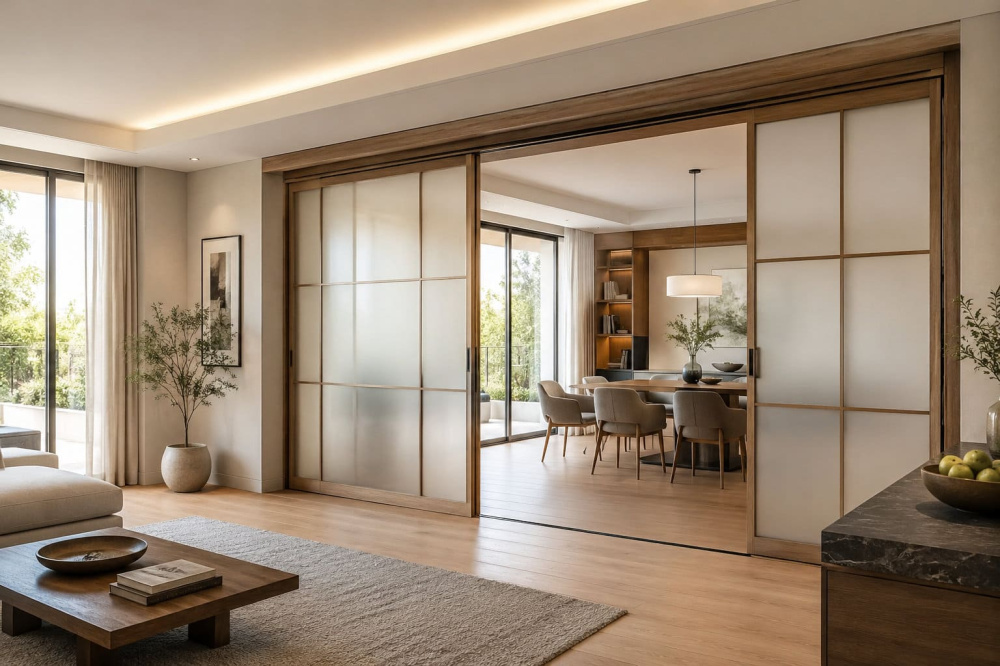
Sliding door systems offer a practical way to create adaptable living environments. Unlike traditional hinged doors, sliding doors require minimal clearance and can be opened or closed depending on changing household needs.
Large sliding glass doors are increasingly used to separate home offices, media rooms, and guest spaces from main living areas. When open, they preserve the expansive feeling of the floor plan. When closed, they provide privacy and functional separation.
Modern sliding systems are available in wood, aluminum, steel, glass, and mixed-material designs. This variety allows homeowners to match virtually any architectural style.
The flexibility of sliding doors makes them particularly attractive for multifunctional homes where spaces frequently serve different purposes.
French doors in transitional open concept homes
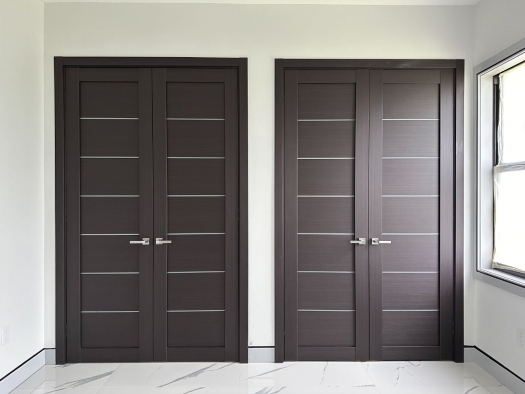
French doors remain a popular option for homeowners who want to preserve openness while introducing a more traditional or transitional design element. Their large glass panels maintain visibility between rooms and help preserve the flow of natural light.
Unlike solid doors that create strong visual separation, French doors provide a softer transition between spaces. This characteristic makes them especially useful for studies, dining rooms, reading rooms, and home offices.
They also add architectural character and can become attractive focal points within the home. When designed properly, French doors complement both classic and contemporary interiors.
Many homeowners choose black-framed French doors to combine traditional proportions with modern aesthetics.
Comparing door styles for open floor plans
| Door style | Visual openness | Privacy | Natural light | Modern appeal |
|---|---|---|---|---|
| Flush door | High | Excellent | Low | Excellent |
| Glass door | Excellent | Moderate | Excellent | Excellent |
| French door | High | Moderate | Excellent | High |
| Sliding door | Excellent | Good | High | Excellent |
| Pocket door | High | Good | Varies | High |
Interesting facts about doors in open concept homes
Many luxury open concept homes use oversized interior doors that extend from floor to ceiling, creating dramatic visual impact while maintaining architectural consistency.
Hidden door systems have become increasingly popular because they allow certain rooms to disappear visually into surrounding wall surfaces when closed.
Glass partition doors are often used by architects to define functional zones without compromising the spacious appearance that open floor plans are known for.
Advances in acoustic glass technology have made it possible to improve sound control while preserving transparency and natural light transmission.
Pocket doors for seamless integration
Pocket doors are ideal for homeowners who want flexibility without sacrificing valuable floor space. These doors slide into a concealed wall cavity, effectively disappearing when opened.
In open concept homes, pocket doors can help create temporary privacy while preserving the overall layout. Homeowners often use them for offices, guest rooms, pantries, and laundry areas.
When fully opened, pocket doors allow spaces to function as part of the larger floor plan. When closed, they provide practical separation and privacy.
Their ability to remain nearly invisible makes them particularly attractive in contemporary and minimalist interiors.
Color and finish considerations
The finish selected for interior doors can significantly influence how well they integrate into an open concept design. Consistency is often more important than choosing a specific color or material.


Many homeowners prefer doors that match trim, wall colors, or flooring elements to create a unified appearance. White remains a popular option because it reflects light and supports a bright, airy atmosphere.
Natural wood finishes are frequently used to introduce warmth and texture without overwhelming the space. Walnut, white oak, and light oak veneers are especially common in contemporary homes.
Darker finishes can also be effective when used strategically to create contrast and define specific architectural features.
Balancing privacy and openness
One of the biggest challenges in open concept design is maintaining sufficient privacy without undermining the benefits of an open layout. Interior doors play a critical role in achieving this balance.
Bedrooms and bathrooms typically require greater privacy, making solid-core doors a practical choice. Home offices may benefit from glass doors that maintain visual openness while reducing distractions.
Sliding systems, French doors, and pocket doors provide varying levels of separation depending on the needs of the household. Selecting the right solution requires understanding how each space is used on a daily basis.
"The best door for an open concept home is one that creates privacy when necessary and disappears visually when it is not."
By carefully evaluating aesthetics, functionality, and spatial flow, homeowners can select interior doors that enhance both the beauty and practicality of an open concept floor plan.