
- When Pocket Doors Make Sense in Modern Home Design
- What Makes Pocket Doors Ideal for Modern Interiors
- When Pocket Doors Are the Best Choice for Small Spaces
- Pocket Doors for Open Concept Living
- Where Pocket Doors Work Best in Modern Homes
- Pocket Doors vs Traditional Swing Doors
- Design Styles That Pair Well with Pocket Doors
- When Pocket Doors May Not Be the Right Choice
- Planning Considerations Before Choosing Pocket Doors
- Pocket Doors for Luxury and High End Interiors
- Conclusion When to Choose Pocket Doors in Modern Homes
When Pocket Doors Make Sense in Modern Home Design
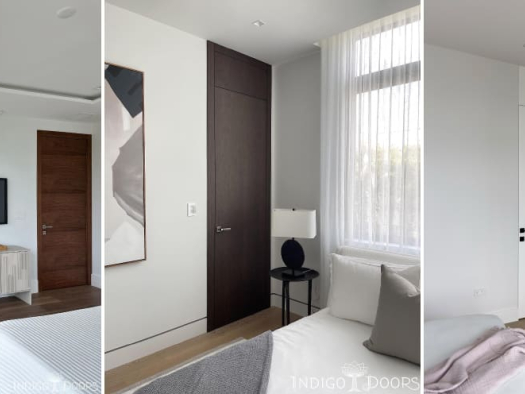
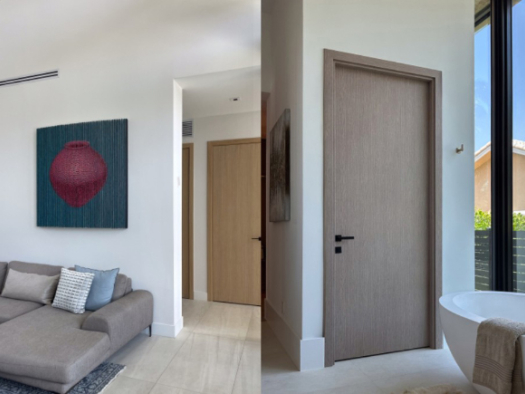
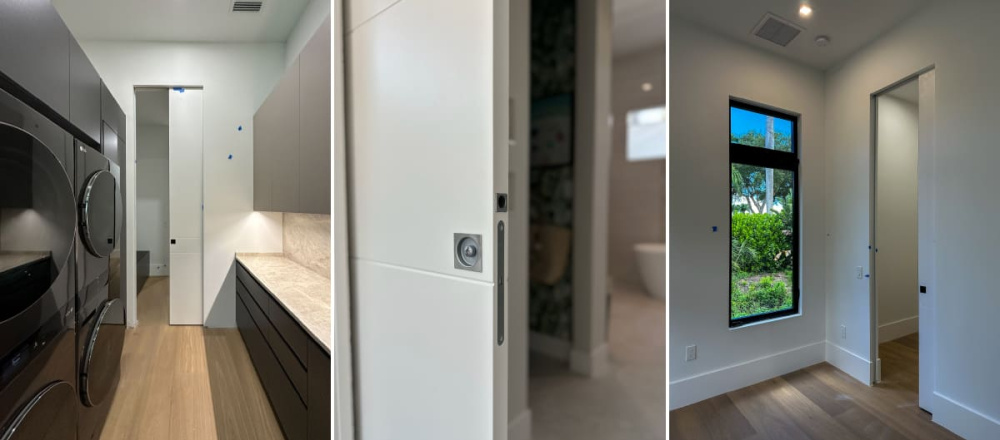
Pocket doors have become a defining feature of modern interiors, especially in homes where space optimization and clean design are top priorities. Unlike traditional swing doors, pocket doors slide into the wall, completely disappearing from view when open. This makes them a smart and stylish solution for contemporary living spaces.
Choosing pocket doors in modern homes is not just about saving space — it is about improving flow, functionality, and visual clarity across the entire interior.
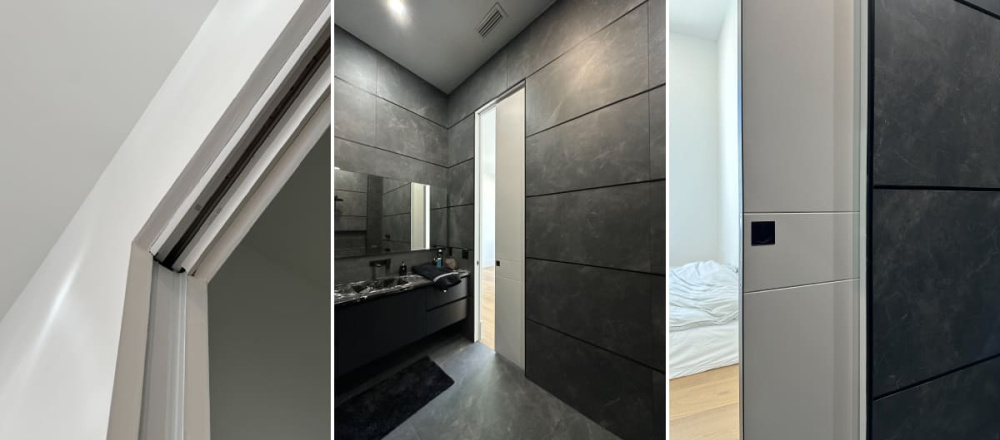
What Makes Pocket Doors Ideal for Modern Interiors
Modern homes emphasize simplicity, openness, and efficient use of space. Pocket doors align perfectly with these principles by eliminating the need for door swing clearance.
Instead of occupying valuable square footage, the door slides neatly into the wall cavity, creating a seamless transition between rooms. This makes interiors feel more open and less cluttered.
Key advantages of pocket doors in modern interiors include:
- Space-saving design without door swing
- Clean and minimalist appearance
- Improved room flow and accessibility
- Flexibility in layout planning
“Pocket doors allow modern homes to feel larger without adding a single extra square foot.”
They are especially effective in homes where every inch of space matters.
When Pocket Doors Are the Best Choice for Small Spaces
One of the most common scenarios where pocket doors excel is in compact areas. In smaller rooms, traditional doors can limit furniture placement and reduce usable space.
Pocket doors eliminate this issue entirely, making them ideal for:
- Bathrooms with limited layout options
- Small bedrooms or guest rooms
- Closets and storage areas
- Laundry rooms and utility spaces
In these areas, even a few extra inches can significantly improve functionality and comfort.
Pocket Doors for Open Concept Living
Open-concept homes are popular across the United States, especially in newer constructions. However, there are times when temporary separation is needed — for privacy, noise control, or zoning.
Pocket doors provide the perfect balance between openness and separation. When open, they maintain the flow of the space. When closed, they create defined areas without permanent barriers.
Common applications in open layouts include:
- Separating kitchen and living areas
- Creating flexible home office spaces
- Dividing dining rooms when needed
This flexibility makes pocket doors a strategic design element rather than just a functional feature.

Where Pocket Doors Work Best in Modern Homes
Not every space benefits equally from pocket doors. Understanding where they perform best helps maximize their advantages.
Ideal locations for pocket doors include:
- En-suite bathrooms
- Walk-in closets
- Home offices
- Transitional spaces like hallways
These areas often require privacy but do not need a full-time visual barrier.
“The best use of pocket doors is where flexibility matters more than permanence.”
In high-traffic zones, they also reduce congestion caused by swinging doors.
Pocket Doors vs Traditional Swing Doors
Comparing pocket doors with traditional swing doors highlights why they are often preferred in modern design.
Swing doors require clearance space and can interrupt the flow of a room. Pocket doors, on the other hand, disappear entirely when open.
Main differences include:
- Swing doors need floor space for opening
- Pocket doors maximize usable room area
- Swing doors are more traditional in appearance
- Pocket doors align with minimalist design
However, pocket doors require proper wall construction and planning, making them more suitable for new builds or major renovations.
Design Styles That Pair Well with Pocket Doors
Pocket doors are highly versatile and can complement a wide range of interior styles. In modern homes, they are often used to enhance clean lines and uncluttered spaces.
Popular design combinations include:
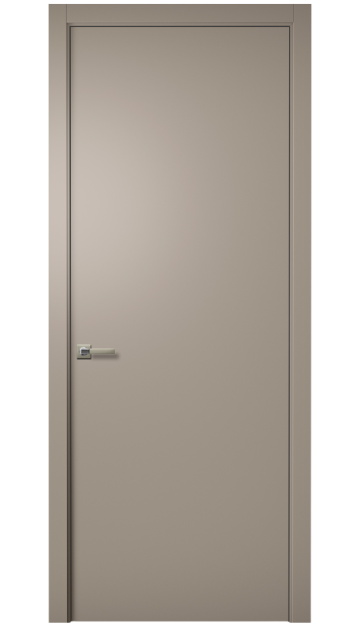
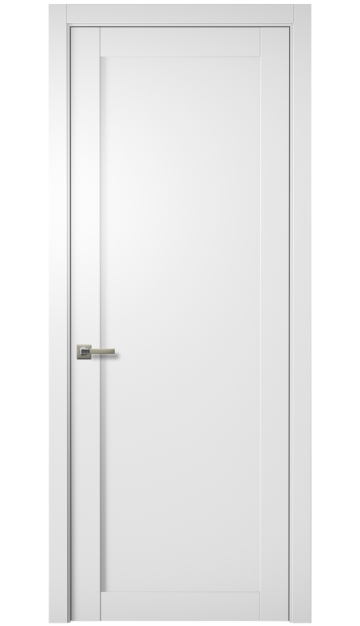
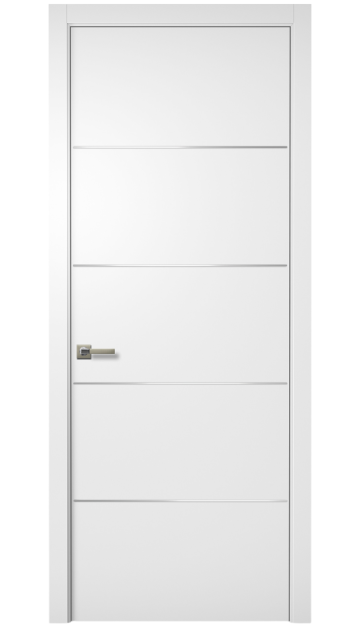
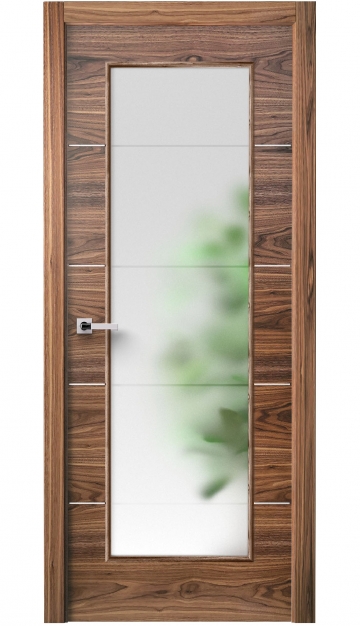
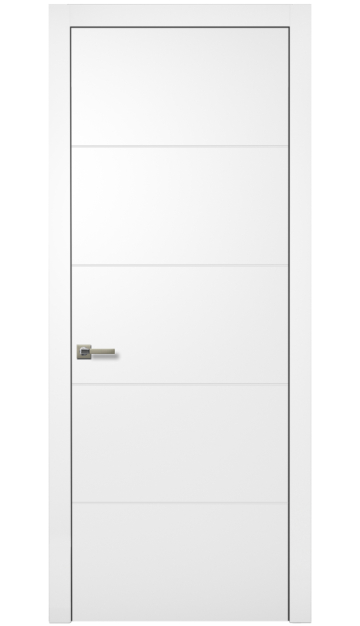
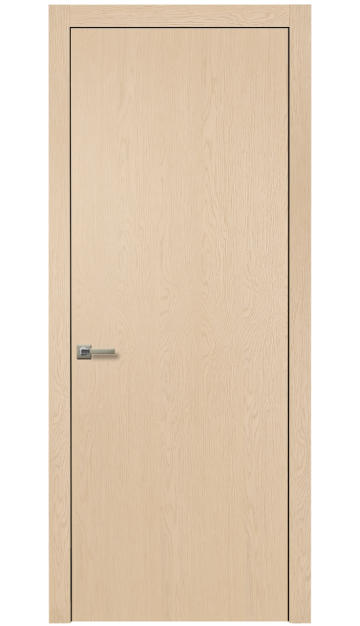
- Modern interior doors with smooth finishes
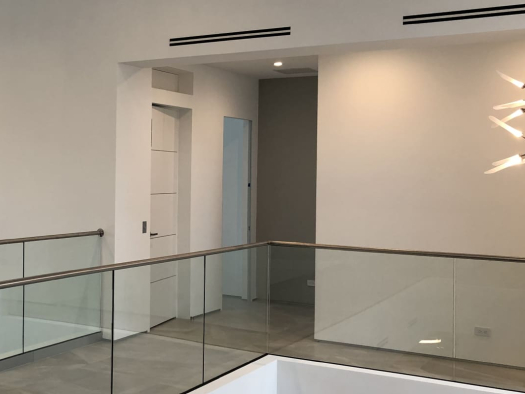
- Frameless doors for a seamless wall look
- Glass pocket doors for light flow
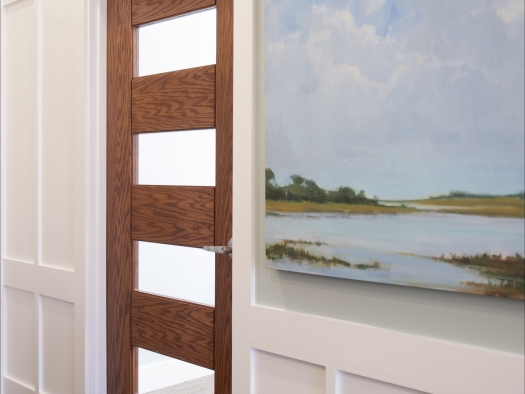
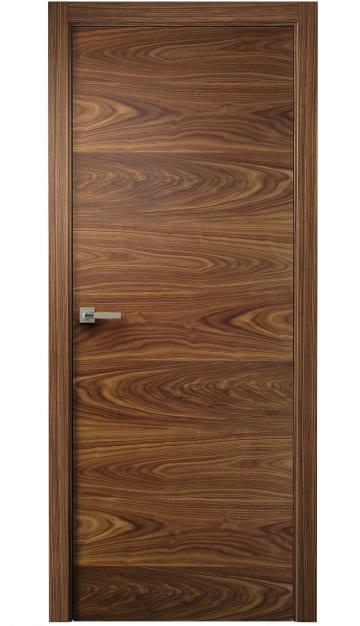
- Wood veneer doors for warmth and texture
These variations allow homeowners to match functionality with their desired aesthetic.
When Pocket Doors May Not Be the Right Choice
Despite their advantages, pocket doors are not suitable for every situation. There are scenarios where traditional doors may perform better.
Situations where pocket doors may not be ideal:
- Walls that contain plumbing or electrical systems
- Areas requiring maximum sound insulation
- Structural limitations in existing homes
In such cases, alternative door types like swing or bypass doors may be more practical.
Planning Considerations Before Choosing Pocket Doors
Installing pocket doors requires careful planning, especially during the design or renovation phase. Since the door slides into the wall, the wall must be constructed or modified accordingly.
Important factors to consider:
- Wall thickness and structure
- Availability of space inside the wall
- Door hardware quality
- Long-term maintenance access
Proper planning ensures smooth operation and durability over time.
Pocket Doors for Luxury and High End Interiors
In upscale homes, pocket doors are often used as a premium design feature. They contribute to a refined, architectural look that emphasizes simplicity and precision.
They are commonly used in:
- Master suites
- High-end bathrooms
- Designer kitchens
- Custom-built homes
“In luxury interiors, pocket doors are not just practical — they are a statement of thoughtful design.”
High-quality finishes and hardware further enhance their appeal in premium spaces.
Conclusion When to Choose Pocket Doors in Modern Homes
Pocket doors are an excellent choice for modern homes where space efficiency, flexibility, and clean design are essential. They provide practical solutions for small spaces, enhance open-concept layouts, and contribute to a minimalist aesthetic.
By understanding where and when to use them, homeowners can make smarter design decisions that improve both functionality and visual appeal.
Choosing pocket doors is not just about saving space — it is about creating a more adaptable and refined living environment.