
- Why home office door selection matters
- Key factors when choosing a home office door
- Solid panel doors for maximum privacy
- Glass interior doors for bright workspaces
- French doors for traditional and transitional homes
- Barn doors for flexible workspaces
- Pocket doors for compact home offices
- Comparing popular home office door styles
- Interesting facts about home office doors
- Modern minimalist doors for contemporary offices
- Acoustic considerations for remote work
- Matching door styles to different workspace needs
Why home office door selection matters
The rapid growth of remote work has transformed home offices from occasional-use spaces into essential parts of modern homes. Whether used for daily business operations, virtual meetings, creative projects, or studying, a dedicated workspace requires careful planning. One design element that significantly influences comfort, privacy, and productivity is the interior door.
Many homeowners focus on desks, lighting, and storage while overlooking the role that a door plays in creating an effective work environment. The right interior door helps control noise, improves privacy, enhances aesthetics, and contributes to better concentration throughout the workday.
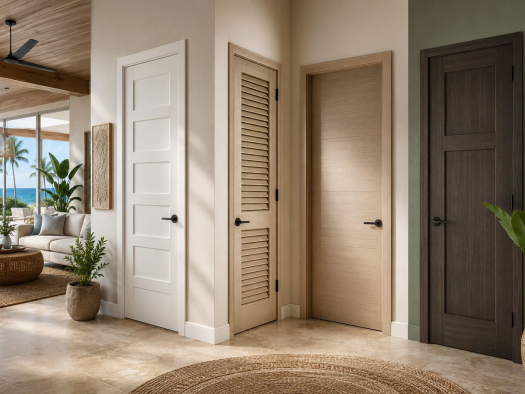
Interior door styles for home offices and workspaces should balance functionality and design. The ideal solution depends on the size of the room, the level of privacy required, the architectural style of the home, and how frequently the space is used.
Key factors when choosing a home office door
A home office door must serve several purposes simultaneously. It should complement the surrounding interior design while helping create a professional and comfortable workspace.
Privacy is often one of the most important considerations. Family members, household activities, pets, and entertainment systems can easily disrupt productivity when a workspace lacks proper separation from the rest of the home.
Acoustic performance, natural light, durability, and available floor space should also be evaluated before selecting a specific door style. Different door designs address these priorities in different ways.
"A productive workspace begins with creating clear physical and visual boundaries between work and everyday household activity."
This principle explains why door selection has become an increasingly important part of modern home office design.
Solid panel doors for maximum privacy
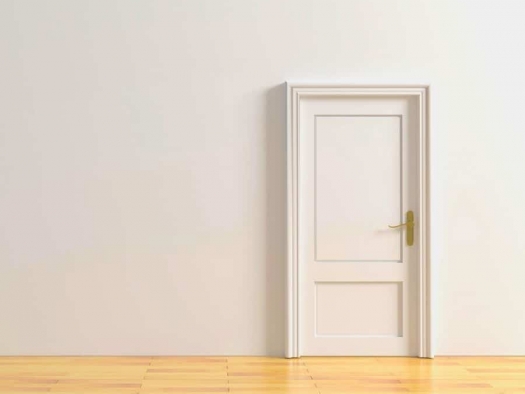
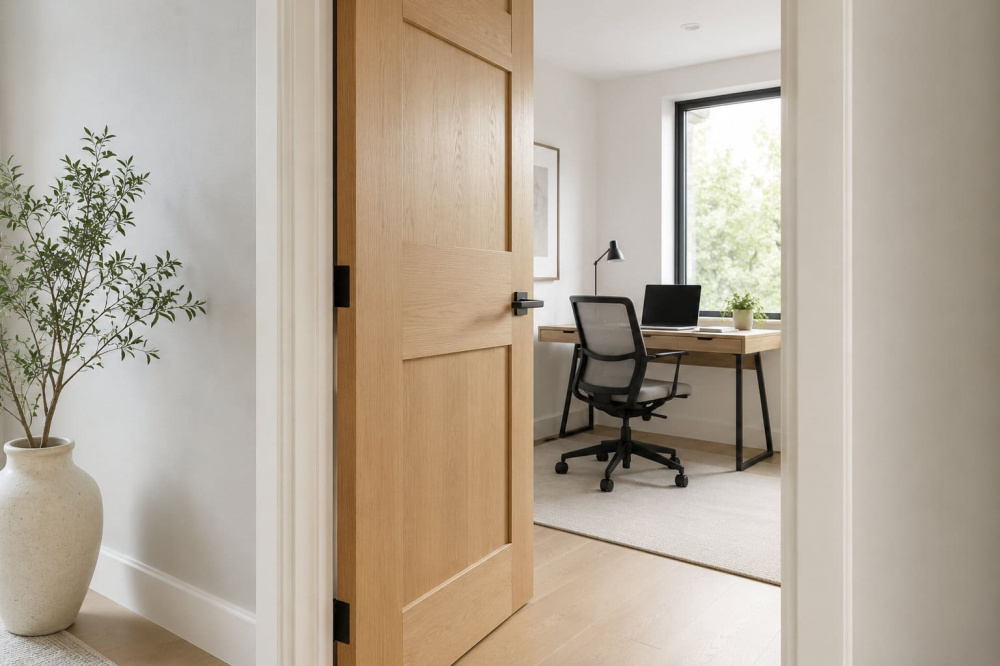
Solid panel doors remain one of the most popular choices for home offices because they provide excellent privacy and sound control. Unlike glass-heavy designs, solid doors help minimize visual distractions and reduce interruptions during meetings or focused work sessions.
These doors are available in a wide range of styles, from traditional raised-panel designs to contemporary flush configurations. Their versatility allows them to integrate seamlessly into almost any interior design scheme.
Professionals who regularly participate in video conferences often prefer solid doors because they create a more controlled environment. Background activity remains hidden, helping maintain a professional appearance during virtual meetings.
Solid-core versions further improve acoustic performance and are especially valuable in busy households.
Glass interior doors for bright workspaces
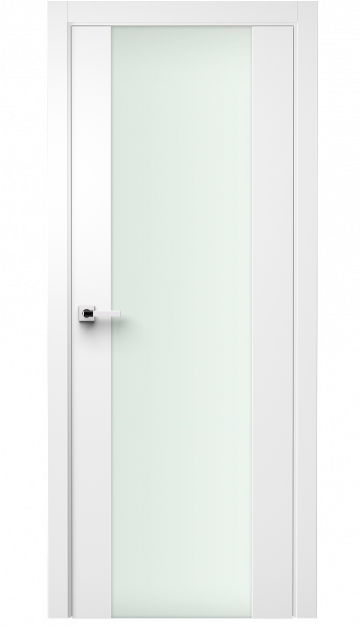
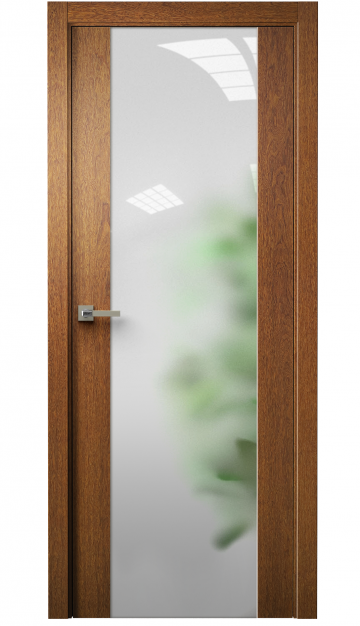
Glass doors have become increasingly popular in home office design because they allow natural light to travel between rooms. This can make workspaces feel larger, brighter, and more inviting.
Many homeowners appreciate the openness that glass doors provide, particularly when the office is located in an interior section of the home where windows may be limited. Increased daylight can contribute to visual comfort and create a more pleasant working environment.
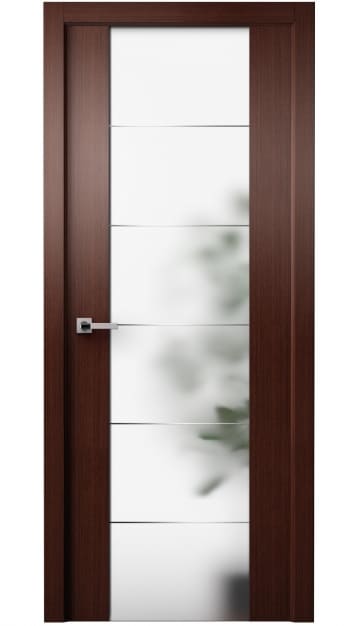
Modern glass office doors are available in various configurations, including clear, frosted, textured, tinted, and decorative glass options. These choices allow homeowners to balance openness and privacy according to their specific needs.

Benefits of glass office doors
- Improved Natural light distribution;
- Enhanced Visual openness;
- Modern And sophisticated appearance;
- Flexible Privacy options through specialty glass;
- Better Connection with surrounding spaces;
The right glass selection can provide privacy while still preserving many of the benefits associated with open and airy interiors.
French doors for traditional and transitional homes
French doors remain a timeless choice for home offices. Their symmetrical design and large glass panels create an elegant appearance that works particularly well in traditional, transitional, and farmhouse-inspired interiors.
Double-door configurations create a welcoming entrance while allowing natural light to pass through. When closed, French doors still provide a clear separation between the workspace and adjacent rooms.
Many homeowners choose frosted or lightly textured glass to increase privacy without sacrificing brightness. This approach is especially useful for offices located near living rooms, dining areas, or hallways.
French doors can also enhance property value by adding architectural character and visual interest.
Barn doors for flexible workspaces
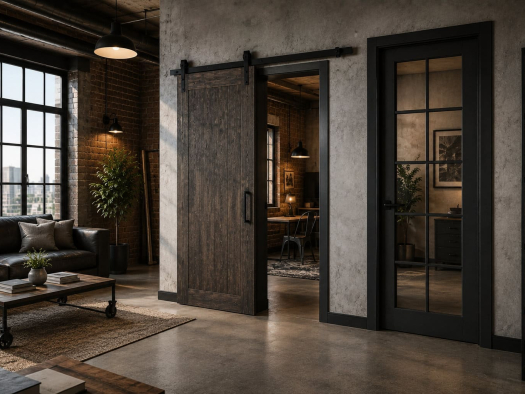
Barn doors have gained popularity in recent years because of their distinctive appearance and space-saving functionality. Unlike traditional swinging doors, barn doors slide along a track mounted above the opening.
This design can be beneficial in smaller homes where floor space is limited. By eliminating the need for a swing radius, barn doors allow more flexibility in furniture placement.
However, homeowners should understand that barn doors generally provide less sound isolation than conventional hinged doors. Small gaps around the perimeter can allow noise to travel more easily between rooms.
For workspaces where acoustic privacy is less critical, barn doors can provide a stylish and practical solution.
Pocket doors for compact home offices
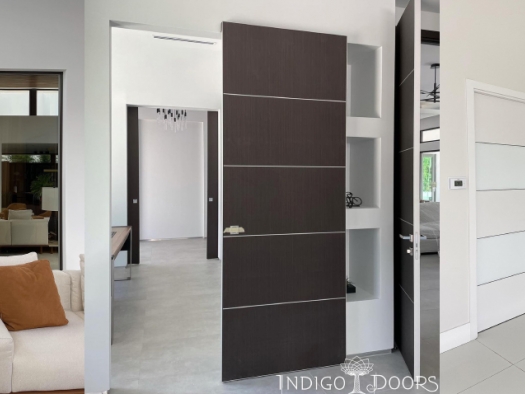
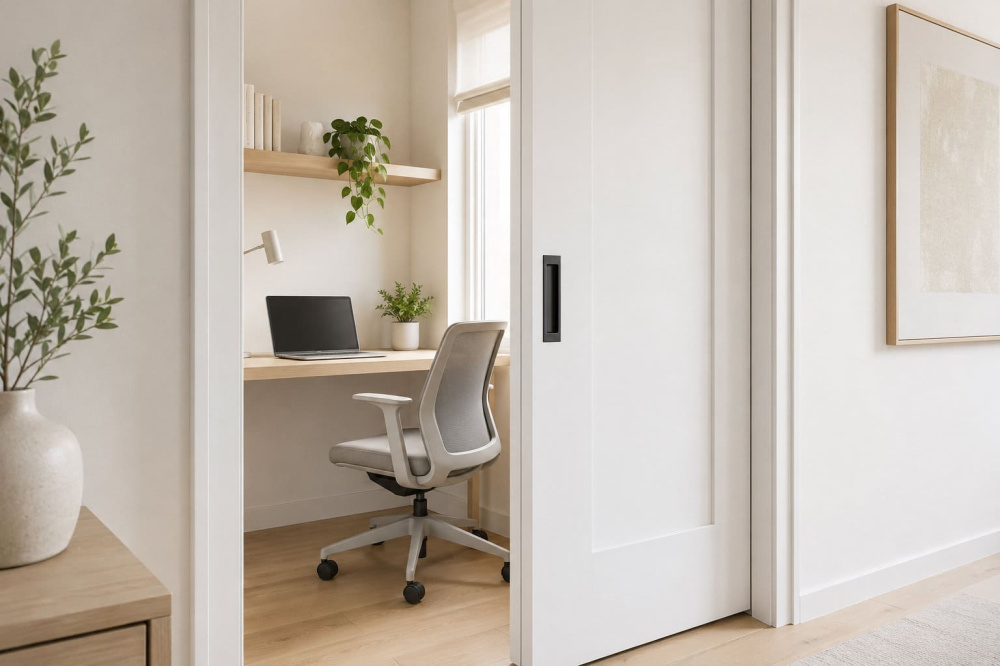
Pocket doors disappear into the wall when opened, making them one of the most efficient options for small workspaces. Their concealed operation helps maximize usable floor space while maintaining a clean and uncluttered appearance.
Modern pocket door systems are available in numerous styles and finishes, making them suitable for both contemporary and traditional interiors. When closed, they function similarly to standard doors while preserving valuable square footage.
Homeowners frequently select pocket doors for multipurpose rooms that occasionally serve as offices. The ability to completely open or close the workspace provides excellent flexibility.
Proper installation is essential because the door mechanism must operate smoothly for many years of daily use.
Comparing popular home office door styles
| Door style | Privacy | Natural light | Space efficiency | Design versatility |
|---|---|---|---|---|
| Solid panel door | Excellent | Low | Moderate | High |
| Glass door | Moderate | Excellent | Moderate | High |
| French door | Moderate | Excellent | Moderate | High |
| Barn door | Moderate | Varies | Excellent | High |
| Pocket door | Good | Varies | Excellent | High |
Interesting facts about home office doors
Studies examining workplace productivity have found that reducing visual distractions can improve concentration during complex tasks. A well-designed office door helps establish clear boundaries between work and household activities.
Frosted glass technology has advanced significantly in recent years, allowing manufacturers to create privacy glass that transmits substantial amounts of natural light while obscuring visibility.
Many luxury home offices now incorporate acoustic door systems that are specifically engineered to reduce sound transmission, creating environments comparable to professional office spaces.
Some contemporary home offices use oversized floor-to-ceiling doors that remain hidden within wall panels when closed, creating a seamless architectural appearance.
Modern minimalist doors for contemporary offices
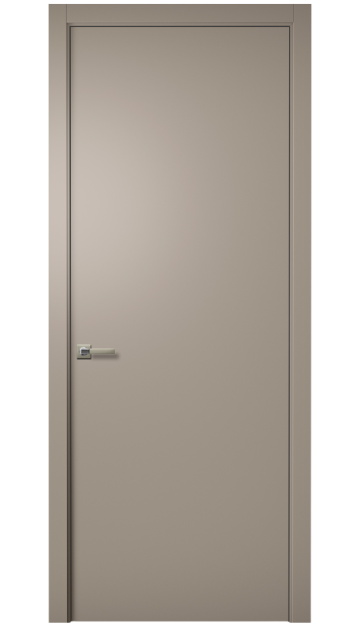
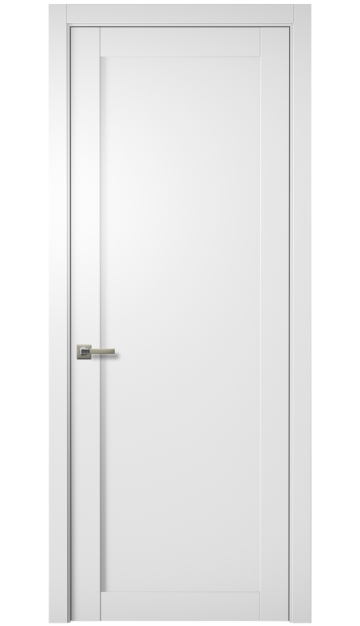
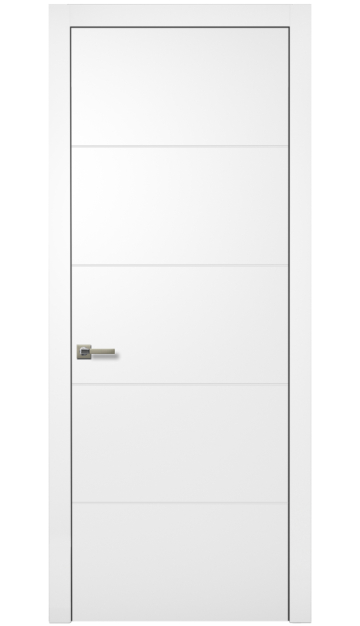
Minimalist door styles have become increasingly popular as modern interior design continues to emphasize simplicity and clean lines. Flush doors, hidden-frame systems, and concealed hardware contribute to a streamlined aesthetic that supports focus and organization.
These designs eliminate unnecessary visual clutter and help create a calm environment. The simplicity of minimalist doors often makes workspaces feel more spacious and professional.
Neutral colors such as white, gray, beige, and natural wood finishes are frequently chosen to reinforce the minimalist aesthetic. These tones also work well with a variety of furniture and décor styles.
For homeowners seeking a modern workspace that feels sophisticated yet understated, minimalist doors offer an attractive solution.

Acoustic considerations for remote work
Noise control has become increasingly important as more professionals work from home full time. Household sounds that might seem minor during personal time can become major distractions during meetings, presentations, or focused work sessions.
Solid-core doors generally provide the best sound isolation among common residential door types. Their dense construction helps reduce the transmission of voices, television noise, kitchen activity, and other everyday sounds.
Additional improvements such as weatherstripping, door sweeps, and quality seals can further enhance acoustic performance. These upgrades are especially valuable for professionals who spend significant time on calls or video conferences.
"A quiet workspace often contributes more to productivity than expensive technology or elaborate office furniture."
For many remote workers, investing in sound control can produce immediate and noticeable benefits.
Matching door styles to different workspace needs
The best home office door depends largely on how the space is used. Professionals who require maximum privacy often benefit from solid-core panel doors, while creative studios may prioritize natural light through glass configurations.
Small offices can take advantage of pocket doors or barn doors to maximize usable space. Larger dedicated offices may benefit from French doors or custom glass systems that create an impressive and welcoming appearance.
Homeowners should also consider the long-term adaptability of the room. A workspace may eventually serve as a guest room, library, study area, or hobby space. Choosing a versatile door style can help ensure the room remains functional as household needs evolve.
When privacy, aesthetics, space efficiency, and functionality are balanced correctly, the door becomes an integral part of a productive and comfortable workspace.