
- Why Florida climate demands special attention to interior door materials
- How humidity affects interior doors
- Solid wood doors and their performance
- Engineered wood doors as a balanced solution
- MDF doors and moisture resistance
- Composite doors and modern performance standards
- Material comparison for Florida homes
- Interesting facts about interior door materials in Florida
- Best materials for coastal Florida properties
- Choosing the right finish for long-term durability
- Interior spaces that require extra moisture protection
- Features homeowners should prioritize
Why Florida climate demands special attention to interior door materials
Florida’s climate creates challenges that homeowners in many other states rarely experience. High humidity levels, frequent temperature fluctuations between air-conditioned interiors and hot outdoor environments, salt-laden coastal air, and prolonged moisture exposure can all affect the performance of interior doors. Materials that remain stable in dry climates may warp, swell, crack, or lose their appearance much faster in Florida homes.
Interior doors are often overlooked during remodeling projects, yet they play an important role in durability, indoor comfort, maintenance requirements, and overall property value. Choosing the wrong material can lead to sticking doors, misaligned frames, peeling finishes, and costly replacements.
Many Florida homeowners prioritize aesthetics first, only to discover later that material performance matters just as much as style. A beautiful door that struggles with humidity can quickly become a source of frustration, especially in bathrooms, laundry rooms, and homes located near the coast.
How humidity affects interior doors
Humidity is one of the most significant factors influencing interior door longevity. Wood-based materials naturally absorb and release moisture from the surrounding air. When humidity levels rise, door components can expand. As conditions become drier, the same materials contract.
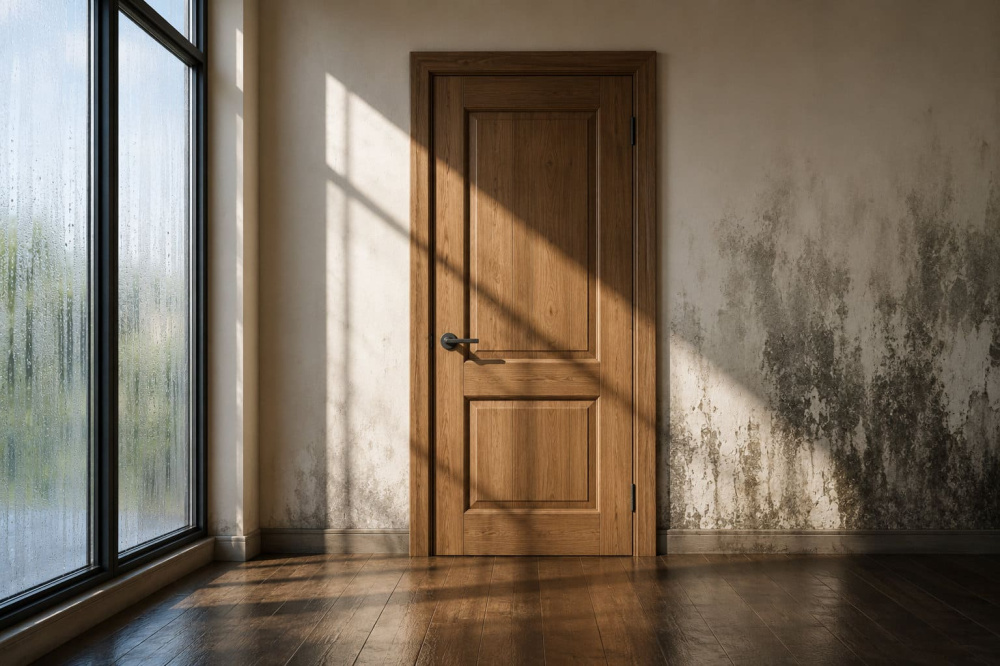
This continuous movement places stress on joints, panels, hinges, and finishes. Over time, even small dimensional changes can cause operational problems. Doors may rub against the floor, stick inside the frame, or develop visible gaps around the edges.
"The most durable interior doors in humid environments are those designed to resist moisture movement rather than simply withstand occasional exposure."
Florida’s long humid season means materials must perform consistently throughout the year rather than during short periods of elevated moisture.
Solid wood doors and their performance
Solid wood doors remain a popular choice because of their timeless appearance, natural texture, and premium feel. Species such as oak, maple, mahogany, and knotty alder are frequently used in residential interiors.
While solid wood offers excellent beauty and sound insulation, it is more vulnerable to humidity-related movement than many engineered alternatives. Even properly finished wood can absorb moisture through exposed edges, hardware cutouts, or microscopic imperfections in the finish.
Homes with stable indoor climate control often experience fewer issues, but doors installed in high-moisture areas may require more maintenance. Bathrooms, laundry rooms, pool-access corridors, and beach properties tend to expose wood doors to greater environmental stress.
Advantages of solid wood
- Excellent Natural appearance and character;
- Strong Sound insulation properties;
- Long Service life when properly maintained;
- Ability To be refinished multiple times;
- Premium Perceived value for luxury homes;
Potential drawbacks in Florida
Without proper sealing and climate control, solid wood can experience expansion and contraction. Coastal environments may accelerate finish deterioration, especially when salty air regularly enters the home.
Higher-quality hardwoods generally perform better than softer species, but no natural wood is completely immune to moisture movement.
Engineered wood doors as a balanced solution
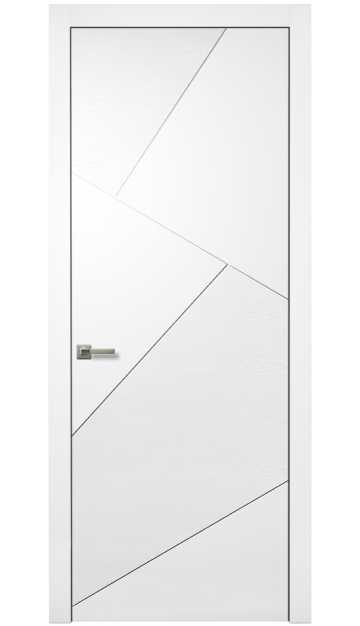
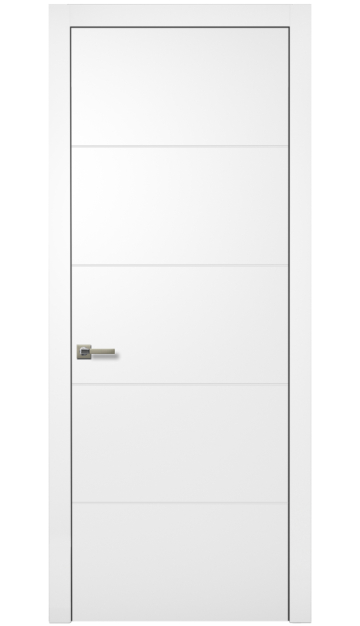
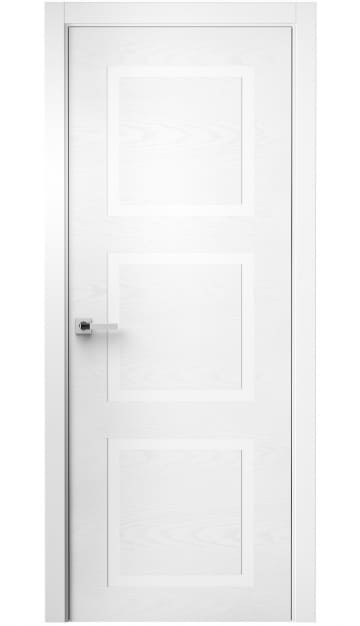
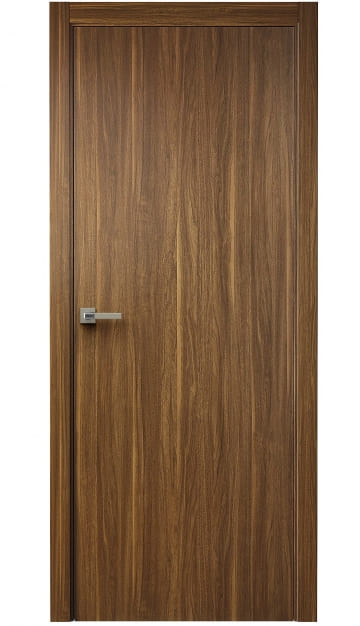
Many builders and interior designers consider engineered wood among the best interior door materials for Florida climate conditions. These doors combine a stable engineered core with wood veneers or decorative surfaces.
The manufacturing process reduces the natural movement associated with solid lumber. Multiple layers are bonded together in ways that improve dimensional stability and minimize warping.
Engineered construction allows homeowners to enjoy the appearance of real wood while benefiting from improved moisture resistance. Modern manufacturing techniques have significantly improved product quality during the last decade.
"A properly manufactured engineered wood door often outperforms solid wood in humid climates while maintaining a similar visual appeal."
For homeowners seeking a balance between aesthetics, durability, and cost, engineered wood frequently represents one of the smartest investments.
MDF doors and moisture resistance
Medium-density fiberboard, commonly known as MDF, has become increasingly popular for painted interior doors. The material offers a smooth, consistent surface that accepts paint exceptionally well and creates a clean contemporary appearance.
Unlike natural wood, MDF contains no grain patterns that can telegraph through painted finishes. This makes it especially attractive for modern and transitional interior designs.
Standard MDF is not completely waterproof, but moisture-resistant MDF products are widely available. When combined with quality paint and proper installation, these doors perform surprisingly well in many Florida homes.
Care should be taken in areas where direct water exposure occurs frequently. Prolonged contact with standing water can damage even moisture-resistant MDF products.
Composite doors and modern performance standards
Composite interior doors have gained popularity because they combine various engineered materials to achieve specific performance goals. Manufacturers often use combinations of wood fibers, polymers, resins, and engineered cores.
These products are specifically designed to reduce many of the weaknesses associated with traditional materials. Resistance to warping, cracking, and moisture-related expansion is often significantly improved.
Composite doors can closely mimic the appearance of wood while requiring less maintenance. Their stable construction makes them particularly appealing for Florida homeowners who want long-term reliability.
Many modern composite products also support enhanced sound control, making them suitable for home offices, bedrooms, and media rooms.
Material comparison for Florida homes
| Material | Humidity resistance | Maintenance level | Cost range | Typical lifespan |
|---|---|---|---|---|
| Solid Wood | Moderate | High | High | 20+ years |
| Engineered Wood | High | Moderate | Moderate to High | 20+ years |
| MDF | Moderate to High | Low | Moderate | 15-20 years |
| Composite | Very High | Low | Moderate to High | 20+ years |
Interesting facts about interior door materials in Florida
Florida homeowners often focus on exterior materials because of hurricanes and heavy rain, yet interior doors frequently experience greater long-term exposure to humidity due to daily indoor moisture generation from showers, cooking, and air-conditioning systems.
Many premium engineered doors contain dozens of bonded layers within their core structure. This layered construction helps distribute moisture-related stress more evenly than a single solid piece of lumber.
Some modern composite door technologies were originally developed for commercial buildings where durability requirements are much stricter than those found in residential construction.
Painted MDF doors have become especially popular in luxury coastal homes because they maintain a smoother painted finish over time compared to many traditional wood species.
Best materials for coastal Florida properties
Coastal environments introduce additional challenges beyond humidity. Salt particles carried by ocean breezes can accelerate finish degradation and contribute to hardware corrosion. Homes located near the Gulf Coast or Atlantic shoreline require particularly durable materials.
Engineered wood and composite doors generally perform better than traditional solid wood options in these conditions. Their increased stability helps minimize expansion and contraction caused by fluctuating moisture levels.
Hardware selection also plays an important role. Corrosion-resistant hinges and quality finishes help maintain proper door operation over many years.
"Coastal homes benefit most from door systems where the material, finish, and hardware are all selected with moisture exposure in mind."
When evaluating interior door materials that work best in Florida climate conditions, coastal exposure should always be considered separately from inland humidity concerns.
Choosing the right finish for long-term durability
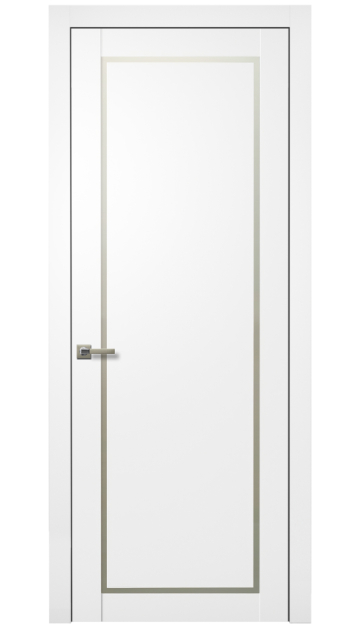
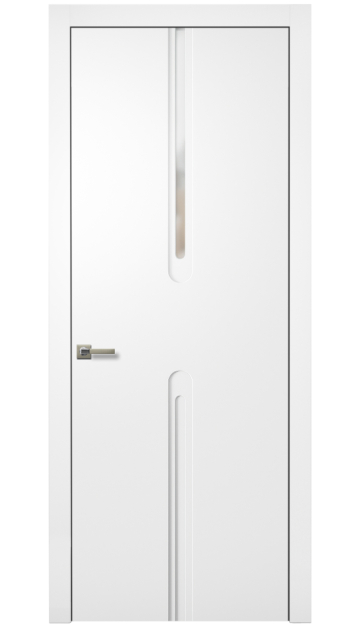
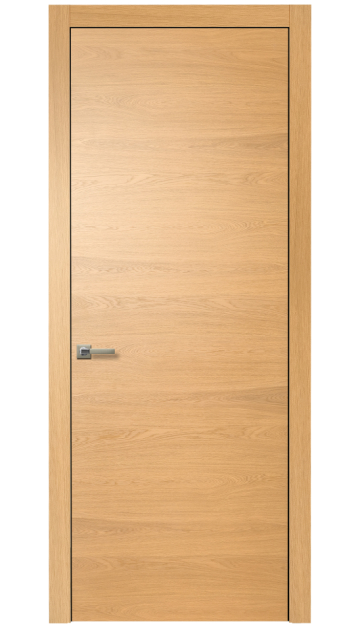
Even the best door material can underperform if protected by an inadequate finish. Paints, sealers, stains, and topcoats serve as critical barriers against moisture intrusion.
High-quality factory finishes generally outperform field-applied coatings because they are applied under controlled conditions and often include multiple protective layers. Factory-finished doors frequently arrive with superior edge protection as well.
For painted doors, premium acrylic coatings tend to provide strong durability and flexibility. Stained wood doors should receive protective clear coats that resist UV exposure and moisture migration.
Regular inspection helps identify small finish failures before they allow moisture to penetrate deeper into the material.
Interior spaces that require extra moisture protection
Not every room creates the same environmental demands. Certain areas consistently experience higher humidity and require more durable door materials.
- Bathrooms With frequent steam exposure;
- Laundry Rooms containing washers and dryers;
- Pool Access hallways connecting outdoor spaces;
- Garage Entry areas affected by temperature differences;
- Beachfront Rooms exposed to coastal moisture;
Installing the same door throughout an entire home may simplify design, but selecting materials based on room-specific conditions often produces better long-term results.
Bathrooms and laundry rooms are especially good candidates for composite or moisture-resistant engineered products. These locations typically generate the greatest amount of indoor humidity on a daily basis.
Features homeowners should prioritize
Material selection is only part of the decision-making process. Construction quality, core design, edge sealing, and manufacturing standards can dramatically influence performance.
When shopping for interior doors in Florida, homeowners should evaluate several important characteristics.
- Stable Engineered core construction;
- Moisture Resistant materials and coatings;
- Factory Finished surfaces when possible;
- Quality Edge sealing for additional protection;
- Corrosion Resistant hardware compatibility;
Products that combine these features often deliver the best balance of durability, appearance, and maintenance requirements. Choosing high-quality materials from the beginning typically reduces future repair costs and improves overall homeowner satisfaction.