
- Understanding the difference between modern and classic door designs
- What defines a modern interior door
- What defines a classic panel door
- Visual impact on interior spaces
- Material options for both door styles
- How each style affects room size perception
- Comparing modern and classic interior doors
- Interesting facts about interior door styles
- Maintenance and long-term upkeep
- Which style works best in modern homes
- Which style works best in traditional homes
Understanding the difference between modern and classic door designs
Interior doors influence far more than room accessibility. They contribute to a home's architectural identity, affect visual flow, and play a major role in shaping the overall atmosphere of an interior. When selecting new doors, homeowners often find themselves deciding between two popular options: modern interior doors and classic panel doors.
Both styles offer distinct advantages and can dramatically impact the appearance of a space. Modern doors emphasize simplicity, clean lines, and contemporary aesthetics, while classic panel doors showcase traditional craftsmanship, decorative detailing, and timeless appeal.
The right choice depends on factors such as architectural style, personal preferences, maintenance expectations, and long-term design goals. Understanding the differences between these two door categories can help homeowners make more informed decisions during construction or renovation projects.
What defines a modern interior door
Modern interior doors are characterized by simplicity and minimal ornamentation. Their design focuses on clean surfaces, precise proportions, and functional elegance rather than decorative complexity.
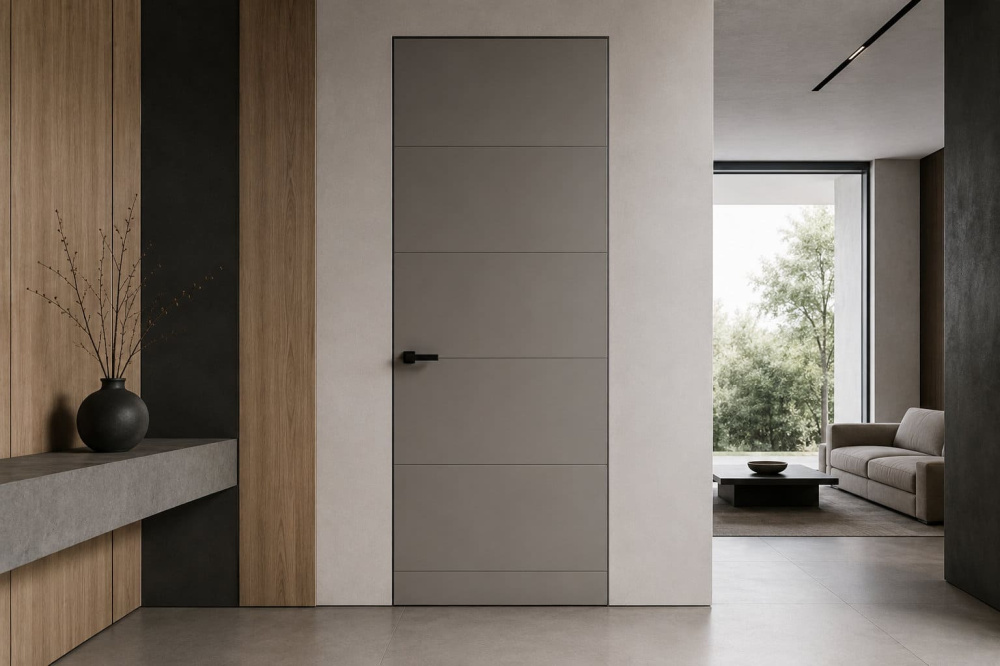
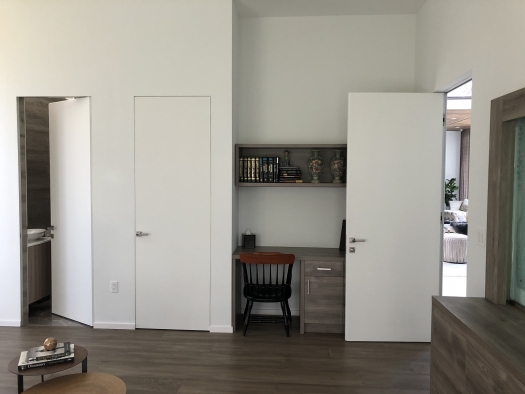
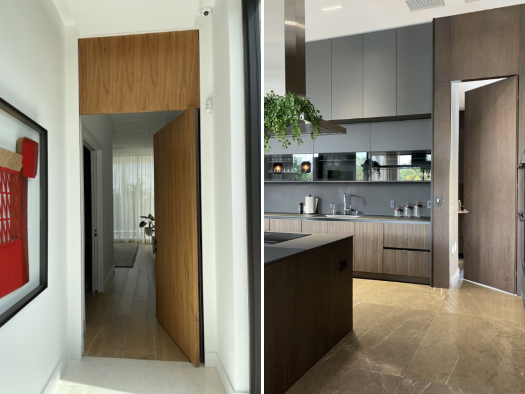
Many contemporary doors feature flush panels, smooth finishes, concealed hinges, and minimalist hardware. These design elements contribute to a streamlined appearance that integrates naturally into modern homes.
Modern doors are often selected for contemporary, transitional, industrial, and minimalist interiors where visual continuity is a priority. Their understated appearance allows architectural features, furnishings, and materials to take center stage.
"Modern design often achieves sophistication through restraint rather than decoration."
This principle has influenced interior door trends across residential and commercial projects alike.
What defines a classic panel door
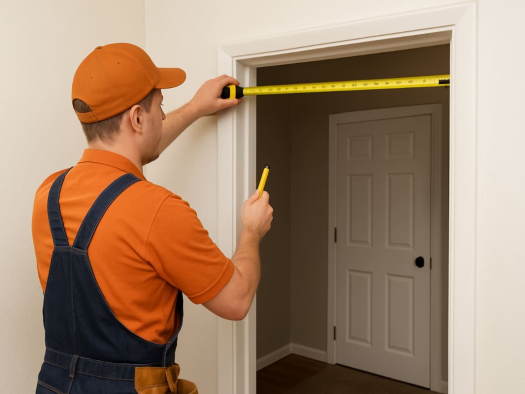
Classic panel doors feature framed construction with recessed or raised panels arranged in symmetrical patterns. These designs have remained popular for generations because they provide visual depth, character, and architectural detail.
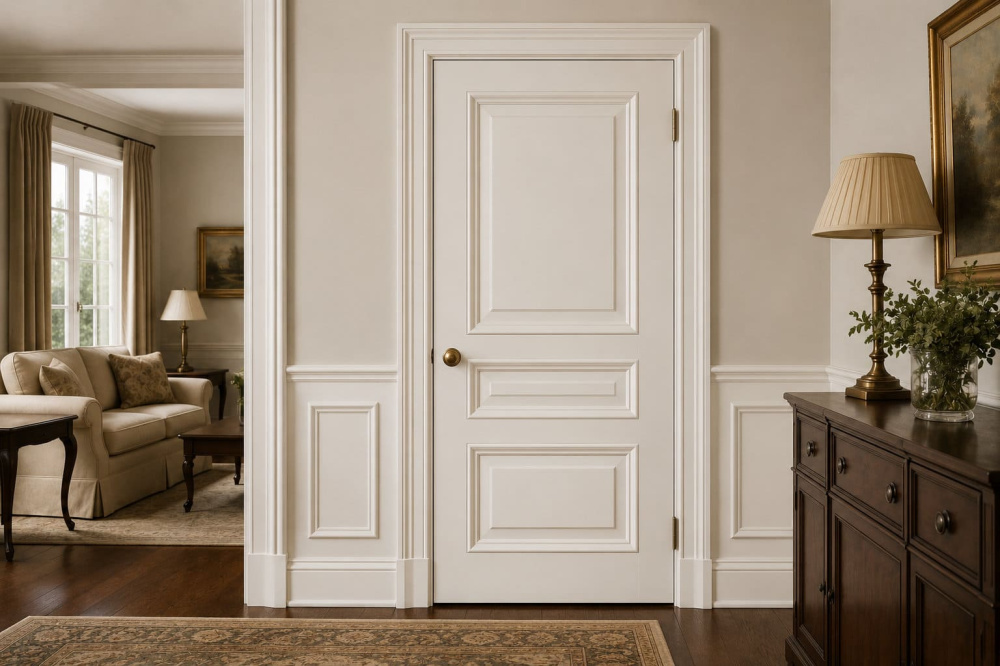
Traditional panel doors are available in numerous configurations, including two-panel, four-panel, five-panel, and six-panel designs. Raised-panel versions often create a more formal appearance, while recessed-panel styles can feel slightly more relaxed.
Classic doors complement a wide variety of architectural styles, including colonial, farmhouse, craftsman, Mediterranean, traditional, and transitional homes. Their timeless appearance allows them to remain relevant even as interior design trends evolve.
Many homeowners appreciate the sense of craftsmanship and permanence that panel doors bring to an interior environment.
Visual impact on interior spaces
The visual effect created by each door style differs significantly. Modern interior doors generally create a cleaner and more open appearance. Their simplified surfaces reduce visual interruptions and help rooms feel larger.
Classic panel doors introduce texture, dimension, and architectural interest. The additional detailing creates focal points that contribute to a more traditional and layered design aesthetic.
In open-concept homes, modern doors often help preserve visual flow between spaces. In more traditional layouts, panel doors can reinforce the architectural character of individual rooms.
The choice ultimately depends on whether homeowners prefer simplicity or decorative detail as a defining design element.
Key visual characteristics
- Modern Doors emphasize clean lines and simplicity;
- Flush Surfaces create uninterrupted visual flow;
- Panel Doors add texture and architectural detail;
- Traditional Designs introduce visual depth;
- Minimalist Styles support contemporary interiors;
These characteristics often influence the overall mood and perception of a home.
Material options for both door styles
Both modern and classic doors can be manufactured using a variety of materials. The style itself does not necessarily determine material quality, although certain materials are more commonly associated with specific designs.
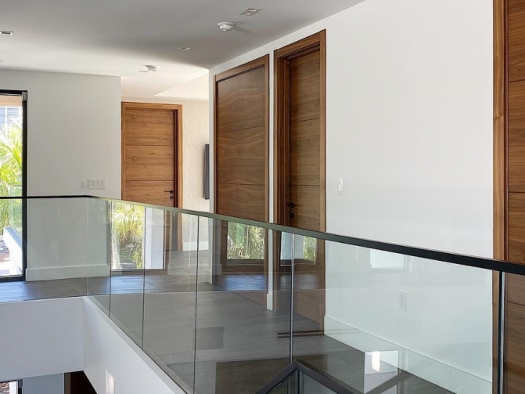
Modern doors frequently utilize engineered wood, premium veneers, composite materials, glass, and specialty laminates. These materials support the smooth surfaces and precise finishes associated with contemporary aesthetics.
Classic panel doors are commonly produced using solid wood, engineered wood, MDF, and painted composite materials. Traditional craftsmanship often emphasizes wood grain, detailed profiles, and decorative molding elements.
Advances in manufacturing allow both styles to achieve excellent durability, stability, and long-term performance when constructed properly.
How each style affects room size perception
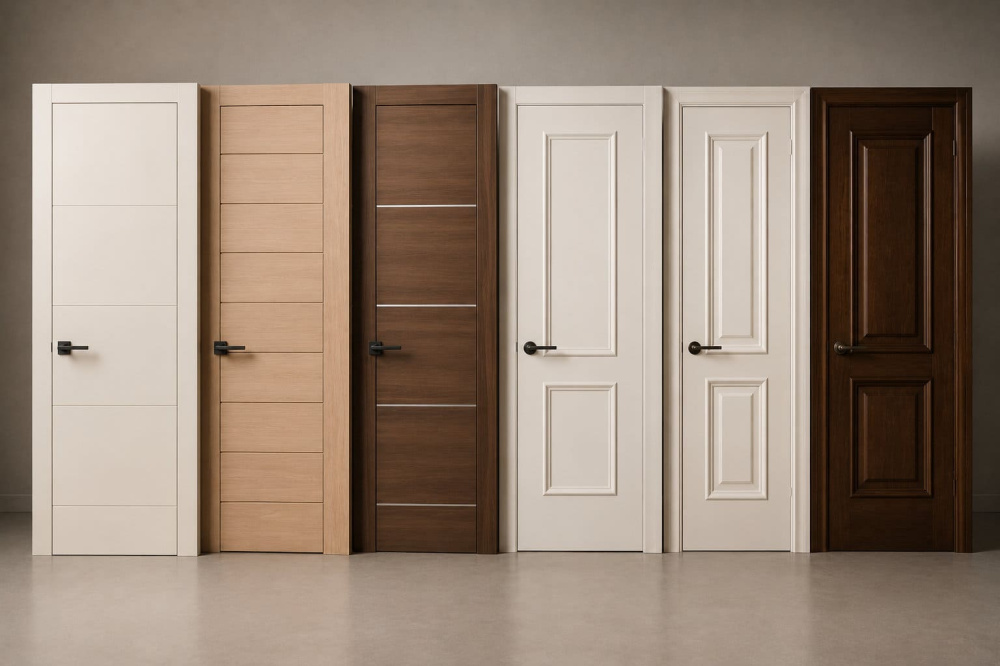
Interior design professionals often consider how doors influence the perception of space. Modern doors generally make rooms feel larger because their simplified appearance minimizes visual complexity.
Flush doors can blend seamlessly into surrounding walls, creating a cleaner and more expansive environment. This effect is particularly valuable in smaller homes, apartments, and contemporary open-concept layouts.
Panel doors create additional visual structure through their framed construction. While they may not maximize openness to the same extent as modern designs, they contribute warmth and character that many homeowners find appealing.
The relationship between door style and perceived space is especially important when planning large-scale renovations or new construction projects.
Comparing modern and classic interior doors
| Feature | Modern interior doors | Classic panel doors |
|---|---|---|
| Design style | Minimalist | Traditional |
| Visual complexity | Low | Moderate to high |
| Room openness | Excellent | Moderate |
| Architectural detail | Minimal | Prominent |
| Contemporary appeal | Excellent | Moderate |
| Timeless character | High | Excellent |
Interesting facts about interior door styles
Many luxury homes today combine modern and classic door styles in different parts of the property, using each where it best supports the intended atmosphere.
Flush doors have become increasingly popular because hidden-frame systems allow them to appear almost invisible when closed.
Classic panel doors remain among the most widely installed residential door styles in North America due to their versatility and broad architectural compatibility.
Some contemporary manufacturers now produce panel doors with minimalist detailing, creating hybrid designs that blend traditional and modern influences.
Maintenance and long-term upkeep
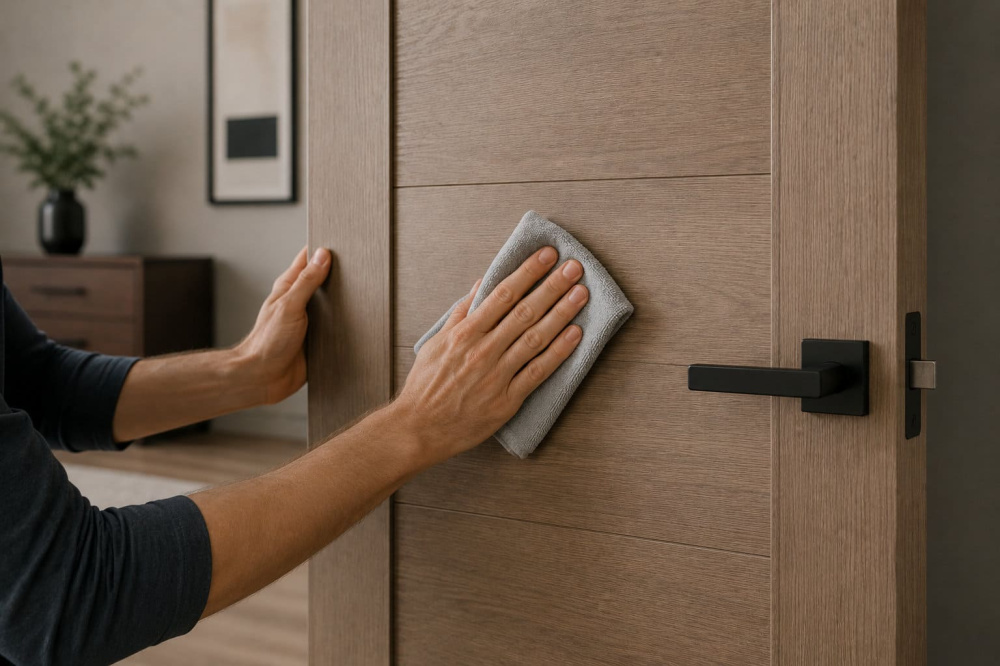
Maintenance requirements can vary depending on materials, finishes, and door construction. However, design style may also influence how easily a door can be cleaned and maintained.
Modern doors typically feature smooth surfaces that are easy to wipe clean. The absence of decorative grooves and moldings reduces areas where dust and debris can accumulate.
Classic panel doors may require slightly more attention because recessed sections and decorative profiles can collect dust over time. Regular cleaning helps preserve their appearance and maintain the integrity of painted or stained finishes.
Both styles can provide decades of reliable service when manufactured from quality materials and maintained properly.
Which style works best in modern homes
Modern homes often benefit from contemporary door designs because they reinforce architectural simplicity and visual consistency. Flush doors, hidden-frame systems, and minimalist hardware complement open floor plans and clean-lined interiors.
These doors support current design trends while remaining versatile enough to adapt to future changes in furniture, décor, and color palettes. Their understated appearance helps create a timeless rather than trend-driven environment.
Glass accents and floor-to-ceiling installations further enhance the modern aesthetic. Many architects incorporate these features to strengthen visual continuity throughout the home.
For homeowners pursuing a contemporary design vision, modern interior doors frequently provide the most cohesive result.
Which style works best in traditional homes
Traditional homes generally pair naturally with classic panel doors because both share similar architectural roots. Detailed millwork, decorative trim, and traditional furnishings are often enhanced by paneled door designs.
Classic doors help reinforce a sense of craftsmanship and permanence while adding architectural richness to interior spaces. They work especially well in homes featuring formal dining rooms, traditional studies, and detailed woodwork.
Even transitional interiors can benefit from panel doors when the design balances traditional elements with contemporary influences. Simpler recessed-panel configurations often bridge the gap between old and new.
The architectural context of the home should always guide the final selection.
"The most successful interiors choose door styles that support the architecture rather than compete with it."
Whether selecting modern interior doors or classic panel doors, homeowners achieve the best results when design consistency, functionality, and long-term appeal are considered together.