
- Why Frosted Glass Interior Doors Are Growing in Popularity
- How Frosted Glass Creates Privacy
- The Benefits of Natural Light in Interior Spaces
- Best Rooms for Frosted Glass Interior Doors
- Different Types of Frosted Glass for Interior Doors
- Modern Design Trends Featuring Frosted Glass Doors
- Choosing the Right Frame Material
- Frosted Glass Doors and Energy Efficiency
- Maintaining Frosted Glass Interior Doors
- Common Mistakes to Avoid When Selecting Frosted Glass Doors
- Why Frosted Glass Interior Doors Are a Smart Long-Term Investment
Modern homeowners often face a common design challenge. They want bright, open interiors filled with natural light, but they also need privacy in certain rooms. Traditional solid doors offer excellent privacy but can make spaces feel darker and more enclosed. Clear glass doors allow light to travel freely yet provide little separation between rooms. Frosted glass interior doors offer a solution that combines the best of both worlds.
As contemporary home design continues to evolve, frosted glass doors have become increasingly popular in residential and commercial interiors. They create a sophisticated aesthetic while helping homeowners maintain privacy without sacrificing brightness. Whether used in home offices, bathrooms, bedrooms, or living areas, these doors can transform the way light moves through a home.
Choosing the right frosted glass interior door requires understanding the different styles, materials, privacy levels, and design possibilities available today. When selected carefully, these doors can enhance both functionality and visual appeal for years to come.
Why Frosted Glass Interior Doors Are Growing in Popularity
The popularity of frosted glass interior doors is closely connected to modern architectural trends. Open floor plans remain highly desirable, yet homeowners increasingly seek flexible spaces that provide separation when needed.
Unlike traditional solid doors, frosted glass allows daylight to penetrate deeper into interior spaces. This helps reduce dark hallways, brighten interior rooms, and create a more welcoming atmosphere throughout the home.
The aesthetic versatility of frosted glass also contributes to its growing appeal. These doors complement a wide range of design styles, including contemporary, transitional, minimalist, Scandinavian, and even industrial interiors.
Many homeowners appreciate that frosted glass doors feel lighter and less visually imposing than fully solid alternatives. They contribute to a sense of openness while still defining distinct living zones.
How Frosted Glass Creates Privacy
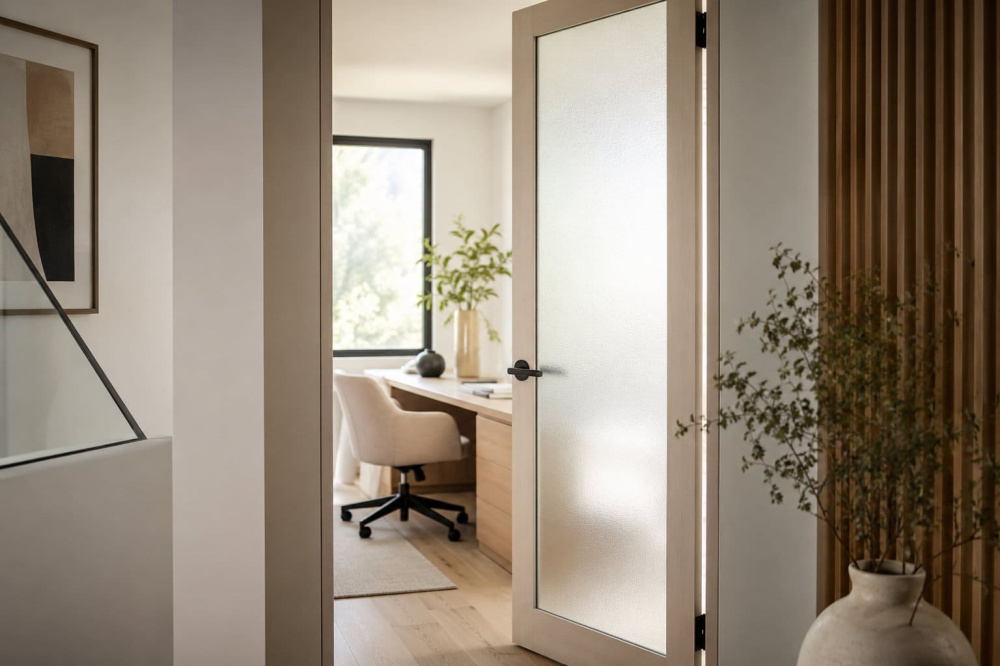
One of the most common misconceptions about glass doors is that they automatically reduce privacy. Frosted glass functions differently than clear glass because its surface diffuses light and obscures visibility.
The frosting process scatters light as it passes through the glass. Instead of seeing detailed shapes or facial features, individuals on the opposite side typically perceive only vague silhouettes and movement.
This characteristic makes frosted glass particularly valuable in areas where privacy is important but complete visual isolation is unnecessary. Homeowners can enjoy a comfortable level of separation without creating dark, enclosed rooms.
The amount of privacy varies depending on the type of frosting used. Some products provide partial obscurity, while others offer near-total visual privacy.
Great interior design is often about balance, and frosted glass doors achieve a balance between openness and privacy that few other door styles can match.
The Benefits of Natural Light in Interior Spaces
Natural light influences far more than aesthetics. Studies consistently show that well-lit environments can positively affect mood, productivity, comfort, and overall well-being.
Interior rooms that rely entirely on artificial lighting often feel smaller and less inviting. Frosted glass doors help distribute existing daylight throughout the home, reducing the need for electric lighting during daytime hours.
This improved light flow can be especially valuable in:
-
Walk-in closets
-
Reading spaces
Homes with better daylight distribution often feel more spacious and visually connected, even when rooms remain physically separated.
The result is an environment that feels brighter, healthier, and more enjoyable to occupy.
Best Rooms for Frosted Glass Interior Doors
Not every room requires the same level of privacy or light transmission. Understanding where frosted glass doors perform best helps homeowners maximize their benefits.
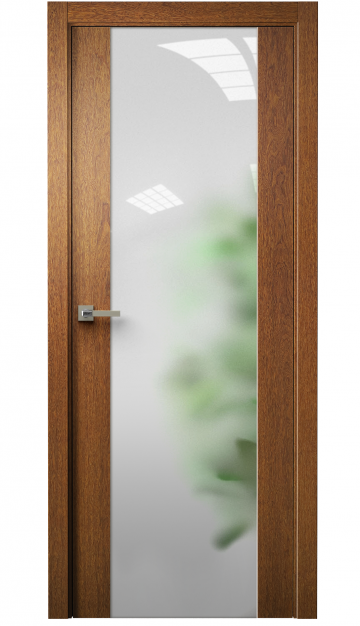
Home offices are among the most popular applications. Frosted glass allows natural light to enter while reducing visual distractions from surrounding spaces. This creates a productive environment without making the office feel isolated.
Bathrooms also benefit significantly from frosted glass. Homeowners can maintain privacy while allowing light from adjacent rooms or windows to brighten the space.
Bedrooms, laundry rooms, mudrooms, and dining areas frequently incorporate frosted glass doors as well. The flexibility of these doors makes them suitable for many residential layouts.

Frosted Glass in Open-Concept Homes
Open-concept homes often struggle with balancing openness and functionality. Frosted glass doors help create temporary separation without disrupting the flow of light that makes these layouts so attractive.
They provide visual softness while maintaining architectural continuity throughout the home.
Different Types of Frosted Glass for Interior Doors
Not all frosted glass looks the same. Manufacturers offer numerous variations that allow homeowners to customize both appearance and privacy levels.
Acid-etched glass is considered one of the highest-quality options. It produces a smooth, elegant finish that resists fingerprints and maintains a refined appearance over time.
Sandblasted glass creates a similar effect but often features slightly different textures and visual characteristics. Both options deliver excellent privacy while preserving light transmission.
Other popular choices include:
-
Full frosted glass panels
-
Partial frosted glass designs
-
Decorative frosted patterns
-
Gradient frosted glass
-
Textured privacy glass
Each style contributes a unique design element while serving practical privacy needs.
Modern Design Trends Featuring Frosted Glass Doors
Interior designers increasingly incorporate frosted glass doors into modern residential projects because they offer both functional and aesthetic advantages.
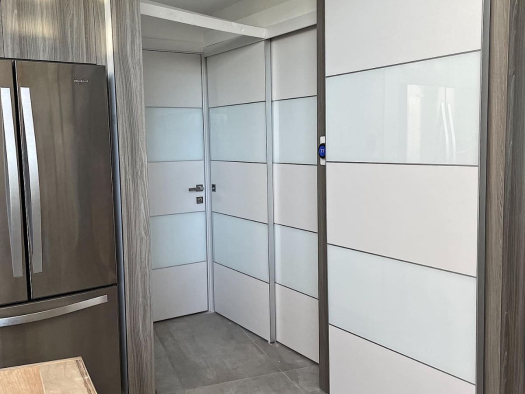
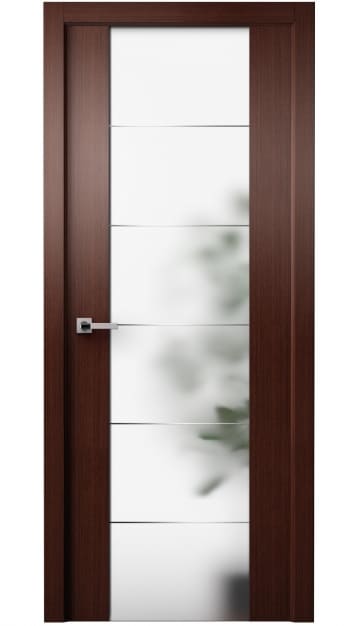
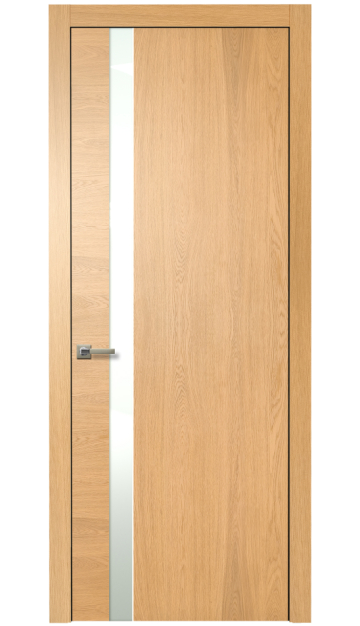
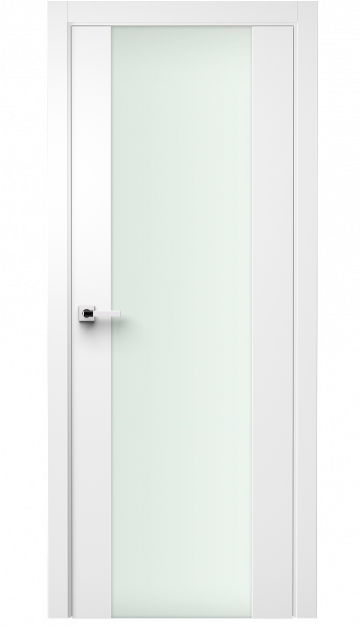
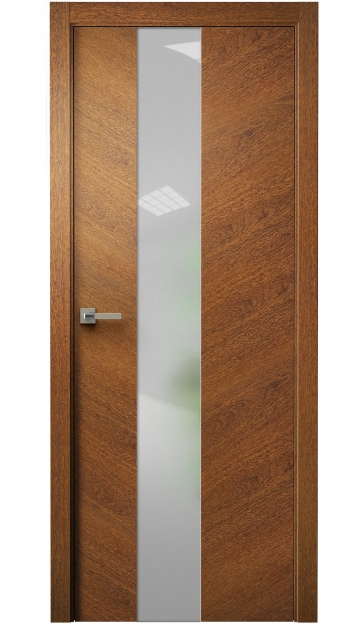
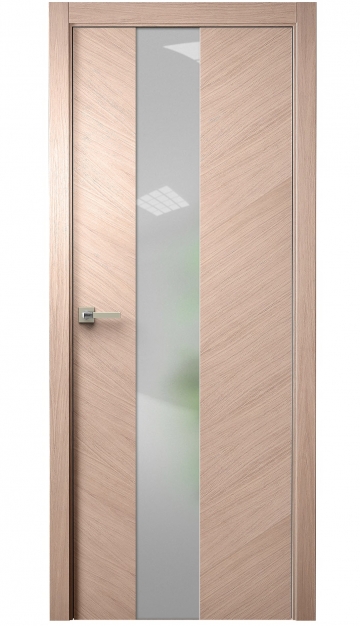
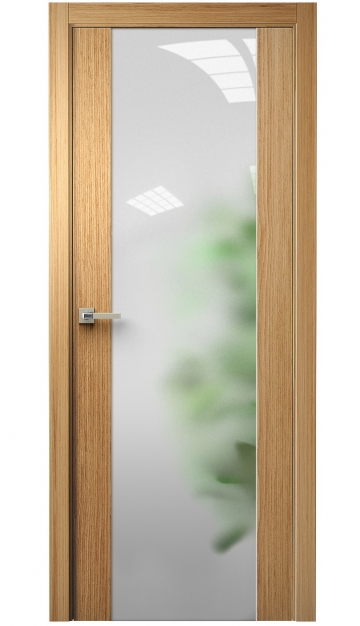
Minimalist interiors often feature sleek flush doors with large frosted glass inserts. These designs emphasize clean lines and visual simplicity while maximizing natural light.
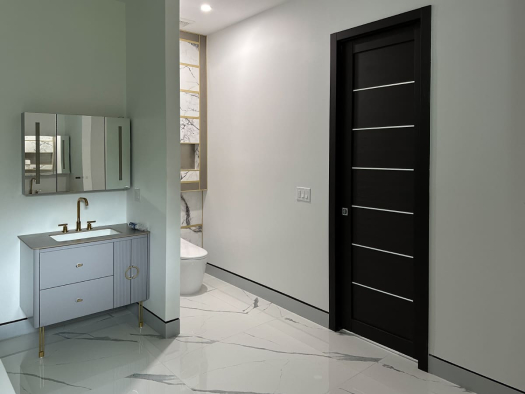
Black-framed doors have become particularly popular in contemporary homes. The contrast between dark frames and soft frosted glass creates a sophisticated architectural statement.
Another growing trend involves oversized doors that extend closer to the ceiling. These designs create dramatic visual impact while enhancing the flow of light throughout the home.
Modern homeowners are increasingly seeking solutions that combine beauty with everyday practicality, and frosted glass doors fit that requirement exceptionally well.
Choosing the Right Frame Material
The frame surrounding the glass plays a significant role in both durability and design. Selecting the appropriate material ensures the door complements the overall interior style.
Wood remains a timeless option that offers warmth and versatility. It works beautifully in traditional, transitional, and contemporary settings.
Engineered wood products provide excellent stability and resistance to environmental changes. These materials are commonly used in premium modern interior doors.
Popular frame options include:
-
Solid wood
-
MDF
-
Engineered wood
-
Aluminum
-
Steel-framed systems
Each material offers distinct advantages in terms of appearance, maintenance, and long-term performance.
The best choice often depends on the overall design vision and functional requirements of the space.
Frosted Glass Doors and Energy Efficiency
While interior doors do not directly affect exterior energy performance to the same extent as windows, they can contribute to overall efficiency within the home.
Improved light distribution reduces reliance on artificial lighting during daylight hours. This can lower electricity consumption while creating a more comfortable indoor environment.
Frosted glass also helps maintain visual openness, reducing the need for additional lighting fixtures in interior corridors and enclosed rooms.
Many homeowners are surprised to discover how much brighter their homes feel after incorporating strategically placed glass doors.
This combination of functionality and efficiency makes frosted glass a practical choice for modern living.
Bringing natural light deeper into a home is one of the simplest ways to make spaces feel larger, brighter, and more welcoming.
Maintaining Frosted Glass Interior Doors
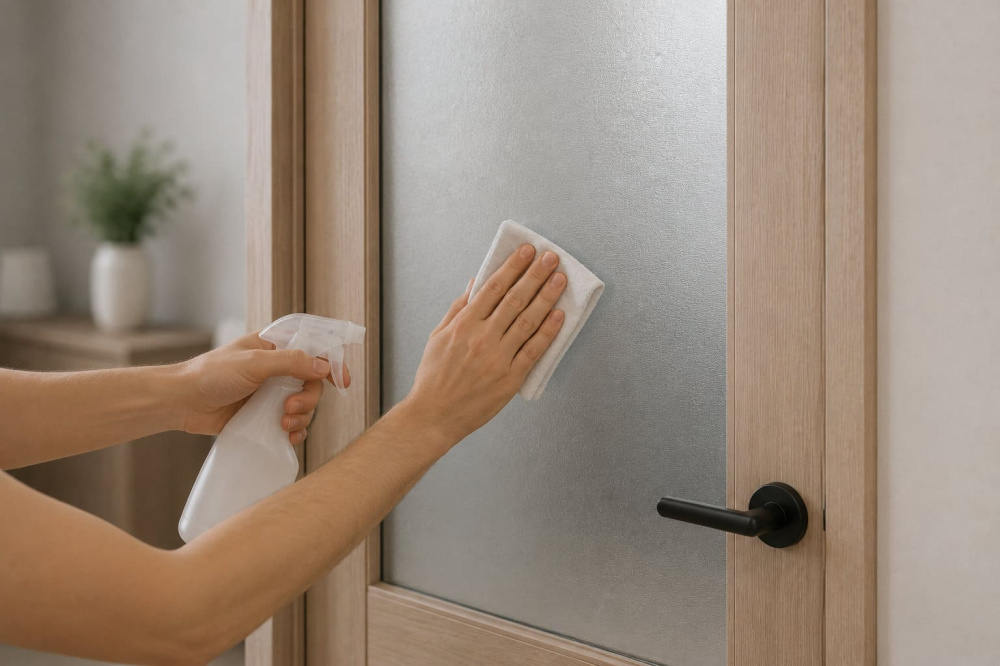
One reason homeowners appreciate frosted glass is its relatively low maintenance requirements. Unlike clear glass, frosted surfaces tend to conceal fingerprints and smudges more effectively.
Routine cleaning typically involves a soft microfiber cloth and a non-abrasive glass cleaner. Regular maintenance helps preserve clarity and appearance over time.
It is important to avoid harsh chemicals that could damage decorative finishes or specialty coatings. Following manufacturer recommendations ensures long-term durability.
Proper maintenance also extends the lifespan of door hardware, frames, and seals, helping preserve both appearance and functionality.
With minimal effort, frosted glass doors can maintain their elegant appearance for many years.
Common Mistakes to Avoid When Selecting Frosted Glass Doors
Despite their versatility, certain mistakes can limit the effectiveness of frosted glass doors. One common error is choosing a privacy level that does not suit the intended room.
For example, lightly frosted glass may be sufficient for a home office but less appropriate for a bathroom where greater privacy is required.
Another mistake involves focusing exclusively on aesthetics while overlooking construction quality. Premium materials and professional installation significantly influence long-term performance.
Additional considerations include:
-
Matching door style to home architecture
-
Selecting appropriate hardware finishes
-
Evaluating maintenance requirements
-
Considering future design updates
-
Balancing privacy and light transmission
Careful planning helps homeowners achieve better results and avoid costly replacements.
Why Frosted Glass Interior Doors Are a Smart Long-Term Investment
Interior doors influence far more than room access. They affect light flow, privacy, aesthetics, functionality, and even perceived home value. Frosted glass doors excel because they improve several of these factors simultaneously.
Unlike design trends that quickly become outdated, frosted glass maintains broad appeal across multiple architectural styles. Its combination of elegance and practicality continues to attract homeowners, designers, and builders alike.
Whether incorporated into a renovation project or a new construction home, these doors help create brighter interiors without compromising privacy. They support modern living by making spaces feel more connected while still preserving personal comfort.
For homeowners seeking a sophisticated solution that enhances both form and function, frosted glass interior doors remain one of the most versatile and rewarding choices available today.