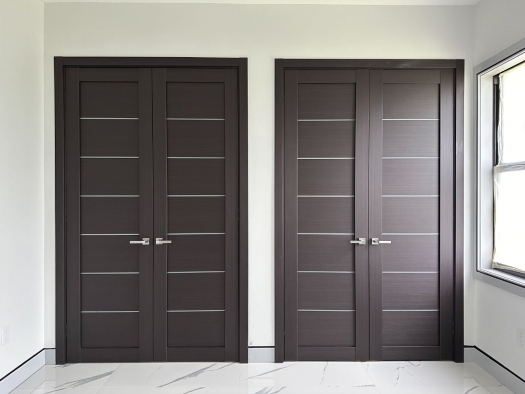

- How to Use Pivot Doors in Interior Design for Modern Homes
- What Makes Pivot Doors Unique in Interior Design
- Using Pivot Doors as a Statement Feature
- Pivot Doors in Open Concept Interiors
- Large Interior Openings and Pivot Doors
- Materials and Finishes That Enhance Pivot Doors
- Where Pivot Doors Work Best in the Home
- Pivot Doors vs Traditional Interior Doors
- Design Styles That Pair Well with Pivot Doors
- Practical Considerations Before Choosing Pivot Doors
- Conclusion Best Uses for Pivot Doors in Interior Design
How to Use Pivot Doors in Interior Design for Modern Homes
Pivot doors are one of the most striking architectural elements in modern interior design. Unlike traditional hinged doors, pivot doors rotate on a central or offset axis, creating a bold and sophisticated look. Their unique movement and clean geometry make them a favorite choice for high-end interiors and contemporary homes.
Choosing pivot doors for interior design is not just about aesthetics — it is about redefining how spaces connect, flow, and function.
What Makes Pivot Doors Unique in Interior Design
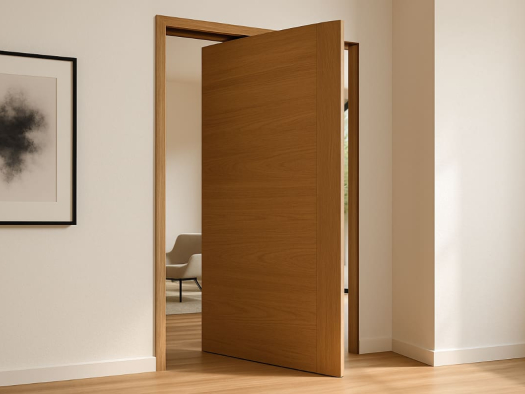
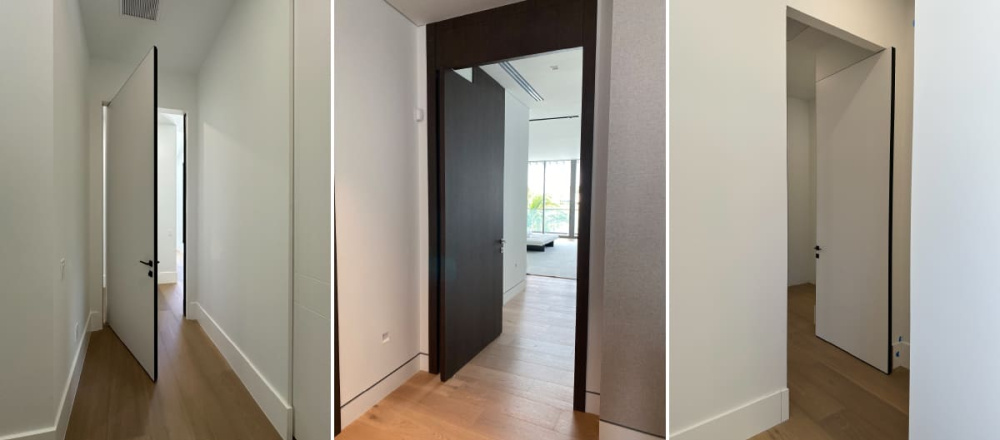
Pivot doors stand out because of their distinctive opening mechanism. Instead of hinges attached to the side frame, they are mounted on pivot points at the top and bottom, allowing for smooth rotation.
This design creates a sense of movement and architectural interest that traditional doors simply cannot achieve. Pivot doors are often larger, heavier, and more visually impactful.
Key characteristics of pivot doors include:
- Central or offset pivot system
- Ability to support larger door panels
- Smooth and balanced opening motion
- Strong architectural presence
“A pivot door is not just a door — it is a design statement that defines the space.”
They are especially popular in modern and luxury interiors where bold design choices are encouraged.
Using Pivot Doors as a Statement Feature
One of the best uses for pivot doors is as a focal point within the interior. Their size and unique movement naturally draw attention, making them ideal for areas where design impact matters.
Pivot doors work exceptionally well as statement elements in:
- Living room entrances
- Master bedroom transitions
- Home office entryways
- Designer hallways
These doors can transform an otherwise ordinary passage into a visually striking feature.
Pivot Doors in Open Concept Interiors
Modern homes often feature open layouts, but even in open spaces, there is a need for flexible separation. Pivot doors provide a refined solution by offering both openness and division when needed.
When open, pivot doors enhance the sense of space. When closed, they create a defined boundary without disrupting the overall design.
Common applications include:
- Separating living and dining areas
- Creating private zones in large spaces
- Dividing home offices from shared areas
Their ability to operate smoothly in both directions adds to their versatility.
Large Interior Openings and Pivot Doors
Pivot doors are particularly effective for wide or oversized openings where traditional doors may not be practical. Their structural design allows them to handle larger dimensions with ease.
Benefits of using pivot doors for large openings:
- Support for oversized door panels
- Enhanced visual continuity
- Balanced weight distribution
- Elegant transition between spaces
This makes them ideal for luxury homes and custom-designed interiors.
Materials and Finishes That Enhance Pivot Doors
The choice of material plays a significant role in the final look and performance of pivot doors. Modern interiors often favor materials that combine durability with refined aesthetics.
Popular options include:
- Wood veneer for warmth and texture
- High-gloss finishes for a modern look
- Glass panels for light transmission
- Matte surfaces for minimalism
These materials allow pivot doors to integrate seamlessly with different design styles while maintaining their visual impact.
“The right finish can turn a pivot door into a centerpiece of interior design.”
Where Pivot Doors Work Best in the Home
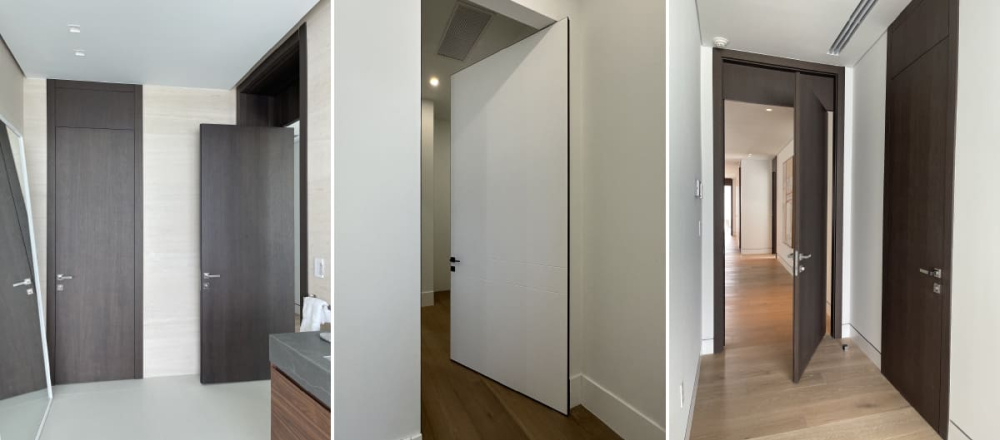
Not every room requires a pivot door, but certain spaces benefit greatly from their presence. Strategic placement ensures both functionality and visual appeal.
Ideal locations for pivot doors include:
- Master bedrooms
- Living rooms
- Home offices
- Walk-in closets
These areas often demand a balance between privacy and openness, which pivot doors provide effectively.
Pivot Doors vs Traditional Interior Doors
Understanding the difference between pivot doors and traditional doors helps clarify when to choose them.
Traditional doors rely on side hinges and typically follow standard sizes. Pivot doors, on the other hand, offer more flexibility in scale and design.
Main differences include:
- Pivot doors support larger dimensions
- Traditional doors are more common and cost-effective
- Pivot doors create a stronger visual impact
- Traditional doors are easier to install
While pivot doors may require more planning, their design benefits often outweigh the complexity.
Design Styles That Pair Well with Pivot Doors
Pivot doors are most commonly associated with modern and contemporary interiors, but they can also complement other styles when chosen carefully.
Popular design pairings include:
- Minimalist interiors with clean lines
- Luxury homes with custom finishes
- Industrial spaces with metal and glass elements
- Modern classic interiors with subtle detailing
Their versatility allows them to adapt to different aesthetics while maintaining a distinctive presence.
Practical Considerations Before Choosing Pivot Doors
Before selecting pivot doors, it is important to consider technical and functional aspects. Proper planning ensures long-term performance and usability.
Key considerations include:
- Structural support for the pivot mechanism
- Floor and ceiling alignment
- Door weight and material
- Hardware quality and durability
These factors are essential for ensuring smooth operation and longevity.
Conclusion Best Uses for Pivot Doors in Interior Design
Pivot doors are an exceptional choice for homeowners looking to elevate their interior design. They combine functionality with bold aesthetics, making them ideal for modern and luxury spaces.
Whether used as a statement feature, a solution for large openings, or a flexible divider in open layouts, pivot doors offer a unique blend of style and practicality.
By carefully selecting materials, placement, and design, pivot doors can transform any interior into a refined and visually striking environment.